Vietnam e-Visa for US Citizens 2026: 90-Day Official Portal, 40x60 mm Photo & Passport Rules
Official 2026 Vietnam 90-day e-Visa guide for US citizens (evisa.gov.vn): $25/$50 fees, 40x60 mm (4x6 cm) photo specs, middle-name MRZ rule & rejection fixes.


Table of Contents
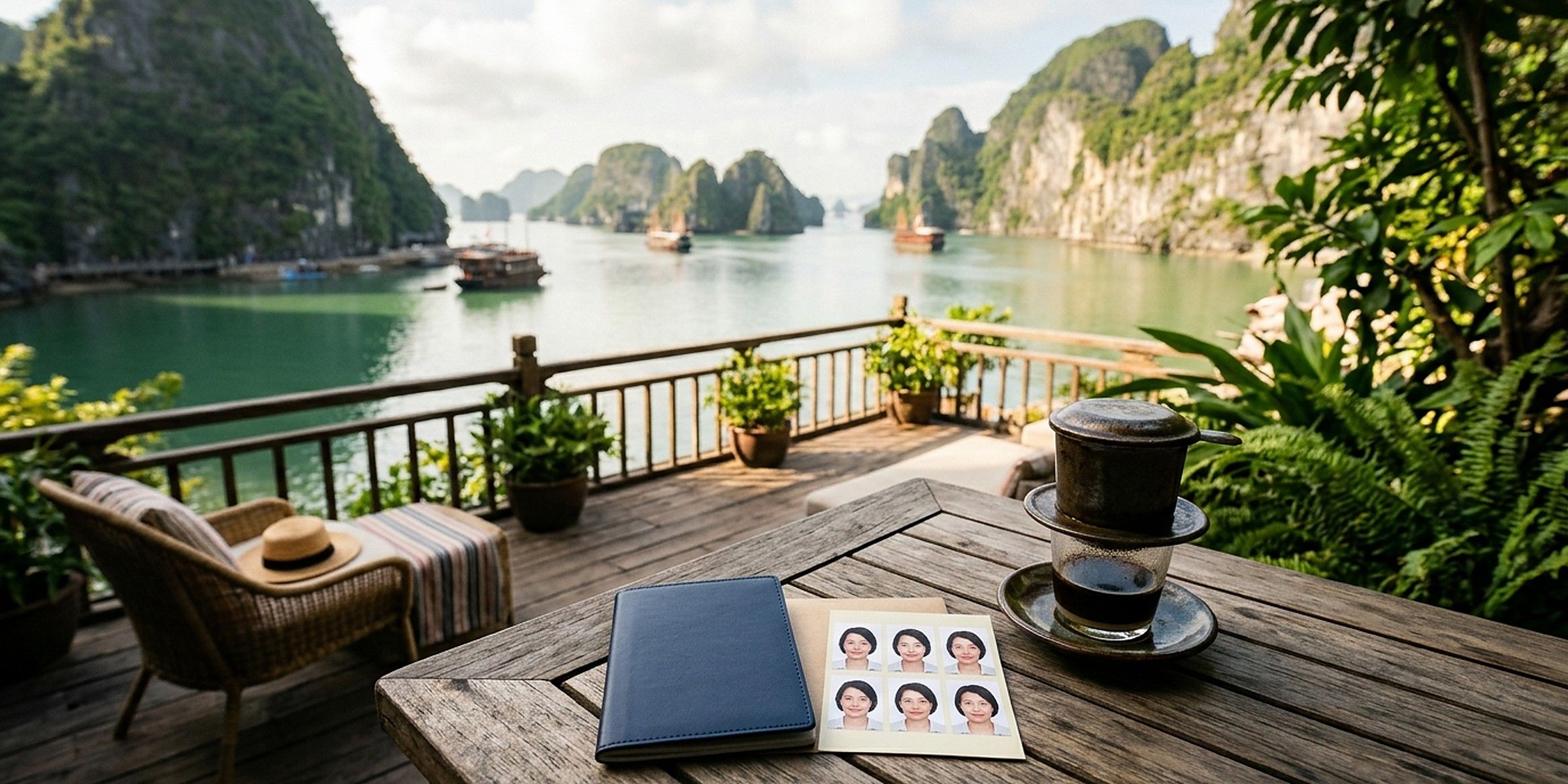
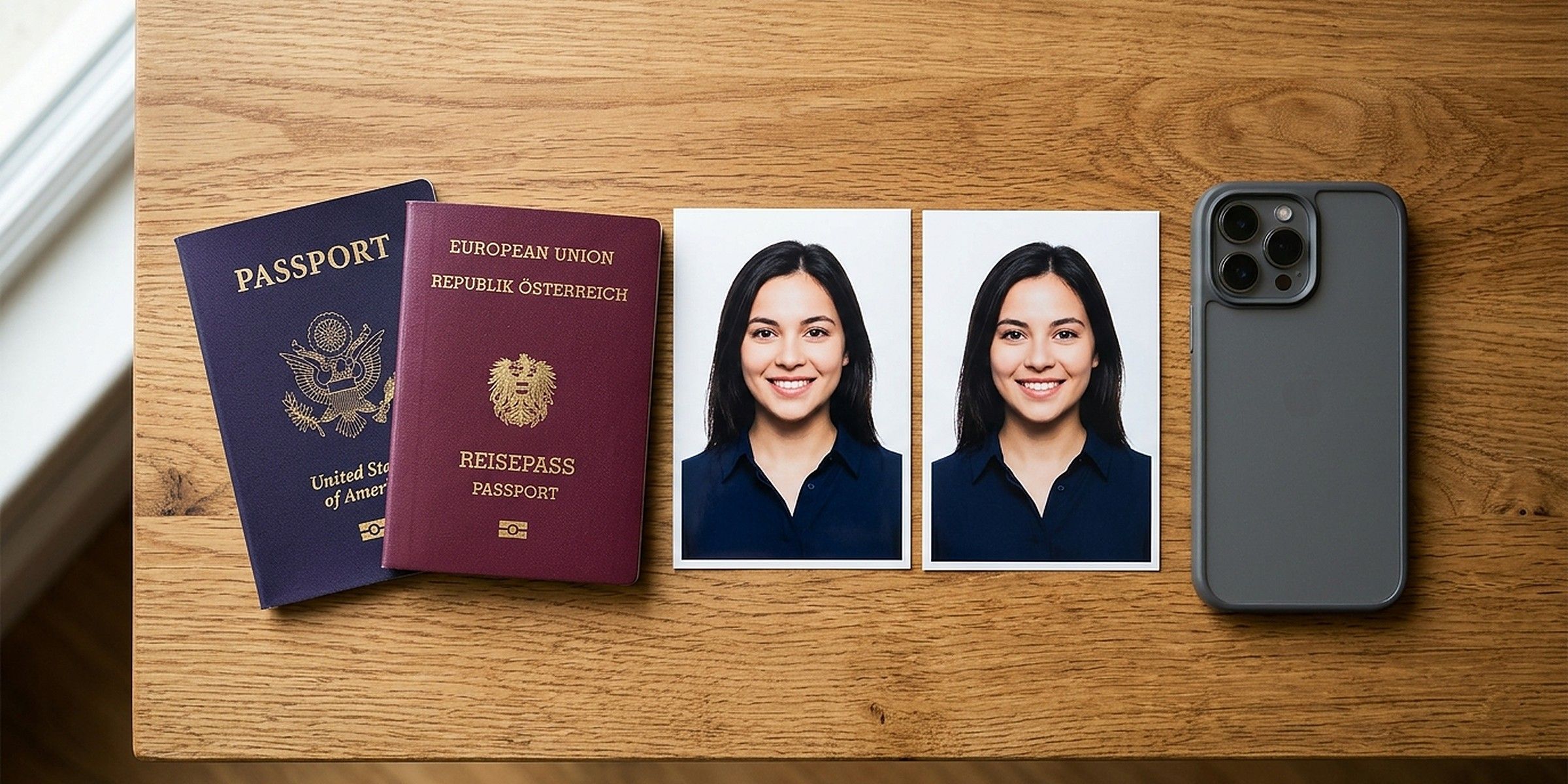
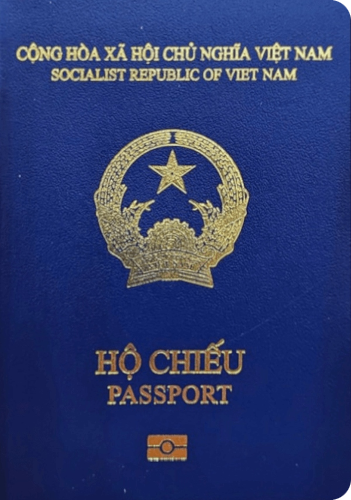
U.S. citizens visiting Vietnam in 2026 require a visa (except for direct 30-day stays strictly on Phú Quốc Island) and can apply online through the official Vietnam Immigration Department portal (evisa.gov.vn / thithucdientu.gov.vn) for a 90-day e-Visa ($25 single-entry / $50 multiple-entry) using a vertical 40×60 mm (4×6 cm, 2:3 aspect ratio) Vietnamese visa photo (40x60 mm / 4x6 cm) and a valid U.S. passport (US passport photo). Snap4ID's AI maps 478 biometric points and backs every Vietnam e-Visa photo with a 100% acceptance guarantee.
- Official Government Portal & Fees: Apply only at
evisa.gov.vn(orthithucdientu.gov.vn), where the non-refundable government fee is $25 USD for 90 days single-entry and $50 USD for 90 days multiple-entry (processed in 3–5 Vietnamese business days). - Include Your Full Middle Name in "Given Name": You must type both your First Name and Middle Name in the
Given Namebox so your e-Visa matches your U.S. passport's bottom ICAO MRZ line—leaving out your middle name can get you denied boarding at the airport. - Never Upload the Same Photo as Your Passport Bio-Page: Vietnam's portal automatically flags and pauses applications if your uploaded portrait photo is cropped from or identical to the photo printed on your U.S. passport data page.
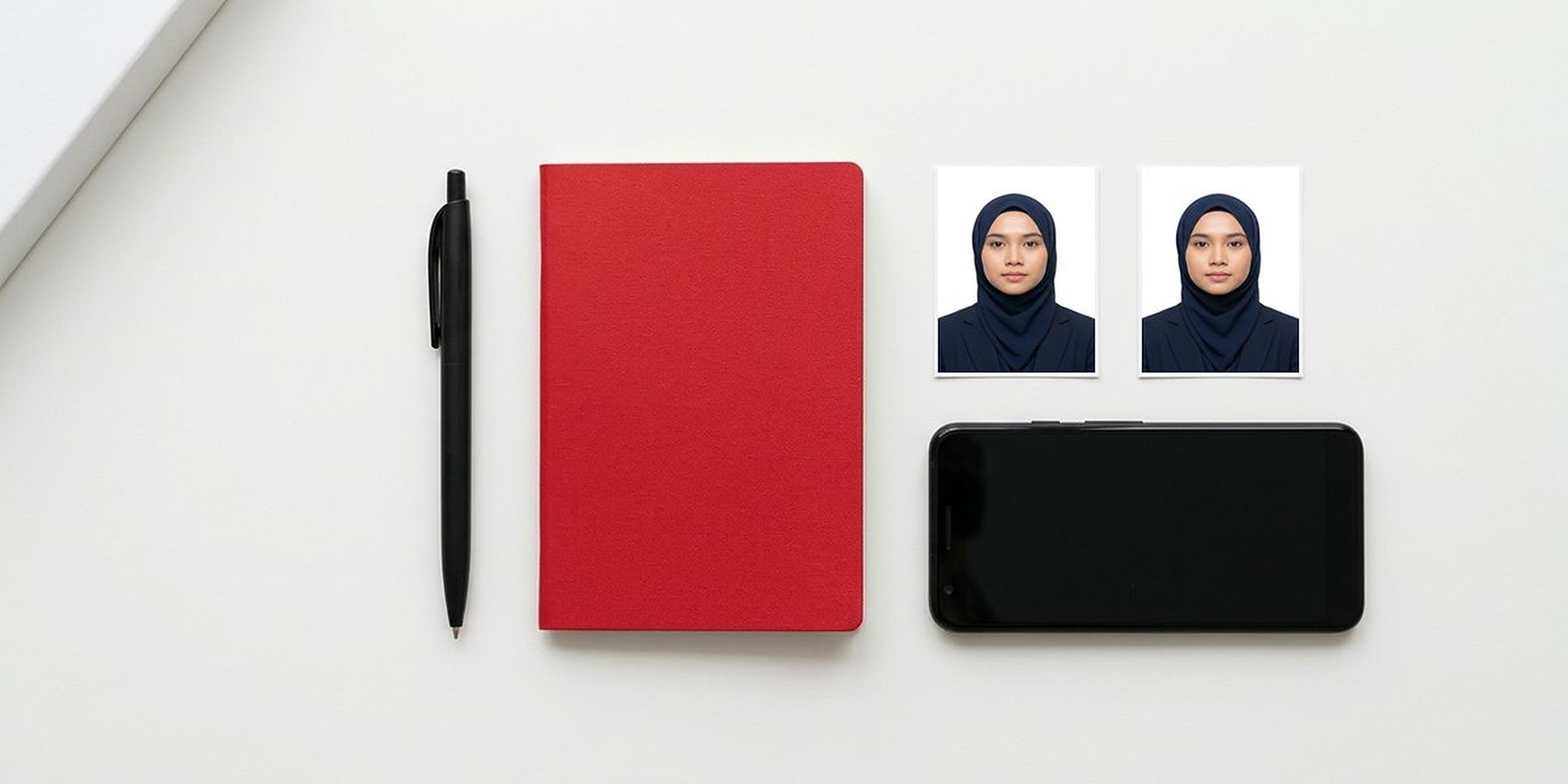
- Exact 40×60 mm (4×6 cm, 2:3 Ratio) Photo Spec: Vietnam uses a tall 40×60 mm (
945×1417 pxat 600 DPI) frame—not a square U.S. 2×2 inch photo and not a 4×6 inch drugstore postcard.
Whether you are cruising Ha Long Bay, motorbiking the Ha Giang Loop, or combining Hanoi and Ho Chi Minh City with stops in Tokyo, Seoul, or Siem Reap, Vietnam's 90-day electronic visa is one of the best travel values in Southeast Asia. Yet thousands of U.S. travelers every month face last-minute "Amendment Required" holds or expensive airport fixers because of three specific formatting traps on evisa.gov.vn. Here is how to get your 2026 Vietnam e-Visa approved on the first try.
1. 2026 Vietnam 90-Day e-Visa Rules for US Citizens: $25 Single vs. $50 Multiple Entry
In 2026, U.S. citizens traveling to Vietnam for tourism, business, visiting relatives, or transit can apply online for a 90-day electronic visa directly through the Official Vietnam Immigration Department e-Visa Portal (evisa.gov.vn) without mailing their physical passport to the Vietnamese Embassy in Washington, D.C. or the Consulates in San Francisco, Houston, or New York.
If your Asian itinerary stays solely inside Vietnam from arrival to departure, the $25 single-entry e-Visa covers up to 90 consecutive days. However, if you plan to use Hanoi or Ho Chi Minh City as a hub—for example, flying out to Angkor Wat in Cambodia or connecting through Northeast Asia where you might also need a Japanese visa photo or South Korean visa photo before returning to Vietnam for your flight home—choose the $50 multiple-entry e-Visa.
| Vietnam Entry Option (2026) | Official Government Fee | Maximum Validity & Entries | Standard Processing Time | Photo & Passport Requirements |
|---|---|---|---|---|
90-Day Single-Entry e-Visa (evisa.gov.vn) | $25 USD (non-refundable) | Up to 90 days, Single Entry (starts on the exact Valid From date entered on your application) | 3 to 5 Vietnamese business days (excludes weekends & public holidays) | Digital 40×60 mm (4×6 cm, 2:3) portrait JPEG (< 2 MB) + full passport bio-page JPEG + U.S. passport valid ≥ 6 months |
90-Day Multiple-Entry e-Visa (evisa.gov.vn) | $50 USD (non-refundable) | Up to 90 days, Multiple Entries across approved air, land, and sea checkpoints | 3 to 5 Vietnamese business days | Same digital 40×60 mm (4×6 cm) portrait JPEG + passport data page JPEG + 2 blank visa pages |
| Phú Quốc Island 30-Day Visa Exemption | $0 (Free) | Up to 30 days strictly on Phú Quốc Island (PQC) | Granted upon arrival at PQC | Must arrive and depart Phú Quốc directly on an international flight/ship without domestic transit through SGN or HAN |
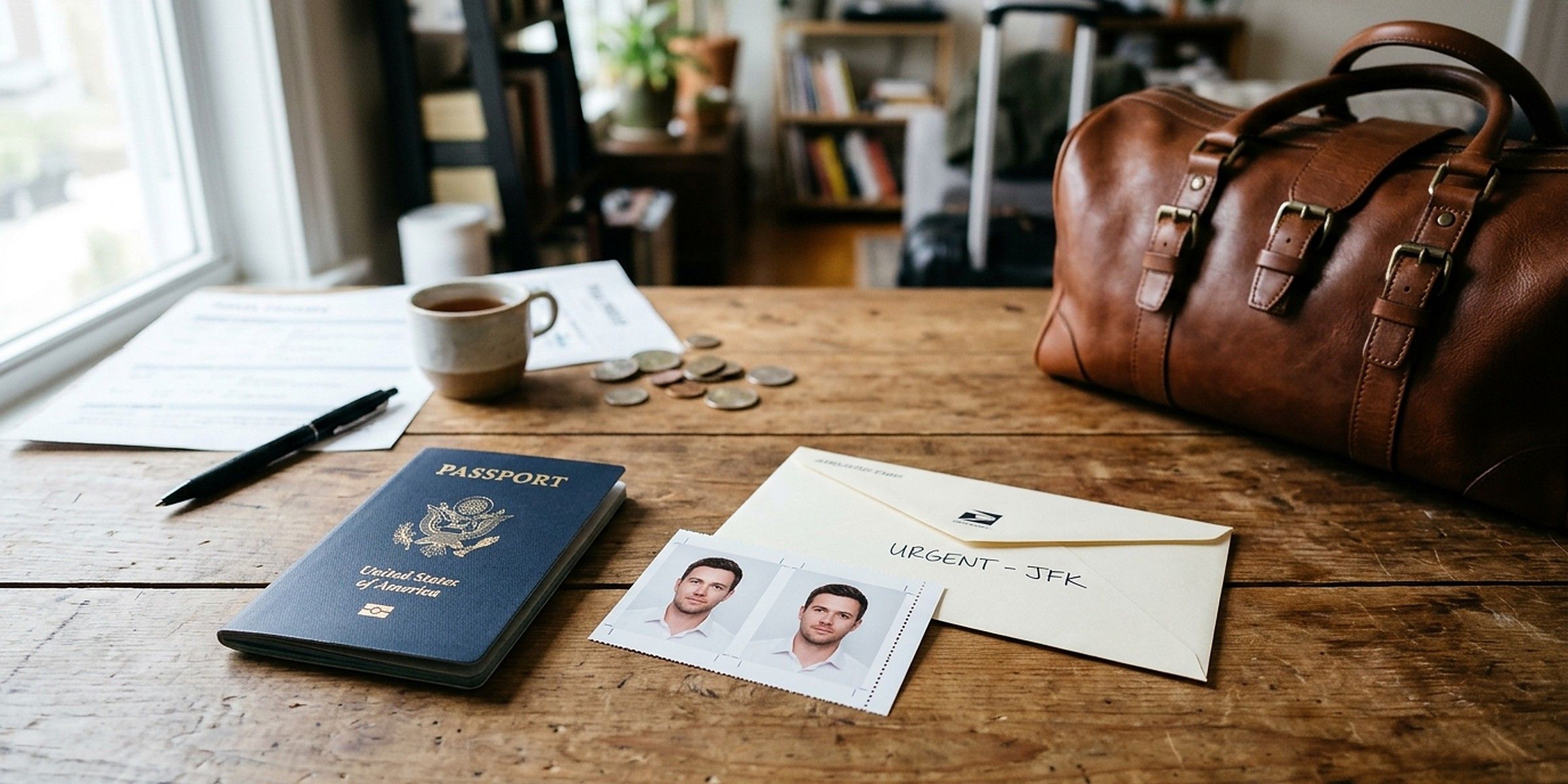
| Emergency Visa on Arrival (Pre-Arranged Approval Letter) | Agency letter fee + $25 (single) / $50 (multiple) USD cash stamping fee at airport | 15 to 90 days (per approval letter) | Same-day / 24-hour emergency processing via travel agency | Must bring two (2) physical printed 40×60 mm (4×6 cm) photos + crisp USD bills + printed Form NA1 to airport landing visa desk |
How to Spot the Official Government Portal (evisa.gov.vn) vs. $95+ Commercial Broker Sites
When you search Google for "Vietnam e-Visa," the top three or four results are almost always private commercial visa agencies using domain names like vietnam-evisa.org, vietnamvisa.govt.vn (note the fake .govt), or evisavietnam.com that charge between $85 and $195 to submit the exact same form. As confirmed by the U.S. Department of State — Vietnam Entry, Exit and Visa Requirements, the only official government portals operated by the Ministry of Public Security's Immigration Department are https://evisa.gov.vn/ and https://thithucdientu.gov.vn/.
When Can US Citizens Enter Vietnam Without a Visa? The Phú Quốc 30-Day Direct-Flight Rule
The only scenario in which a U.S. citizen can enter Vietnam visa-free in 2026 is the 30-day Phú Quốc Island special economic zone exemption. However, this exemption has a strict catch: you must fly (or arrive by cruise ship) directly into Phú Quốc International Airport (PQC) from a country outside Vietnam (such as Seoul Incheon ICN, Bangkok BKK, Kuala Lumpur KUL, or Taipei TPE), stay strictly on Phú Quốc Island, and depart directly to an international destination. If your itinerary routes through Ho Chi Minh City (SGN) or Hanoi (HAN) to catch a domestic Vietnam Airlines or VietJet flight to Phú Quốc—or if you want to visit mainland Vietnam at any point—you must obtain a standard $25/$50 e-Visa in advance.
2. The 3 Vietnam e-Visa Traps That Delay Approval or Get Americans Denied Boarding
Three specific application mistakes cause over 90% of Vietnam e-Visa headaches for U.S. citizens: omitting your middle name from the Given Name field, uploading a portrait photo that matches your passport bio-page, and confusing the Valid From date or airport entry checkpoint.
Trap #1: Forgetting Your Middle Name in the "Given Name" Field (The Airline MRZ Denial)
Critical U.S. Passport Middle-Name Rule on evisa.gov.vn: On a U.S. Passport Book, both your First Name and your Middle Name are printed under the heading "Given Names" and encoded together on the bottom ICAO Machine Readable Zone (MRZ) line (for example, P<USASMITH<<JOHN<MICHAEL<<<<<<<<<<<<). When filling out evisa.gov.vn, you MUST enter BOTH your First Name and your full Middle Name in the "Given Name" box (e.g., Surname: SMITH, Given Name: JOHN MICHAEL). If you leave out your middle name, airlines at SFO, LAX, SEA, JFK, NRT, ICN, and TPE frequently deny boarding because your e-Visa does not match your passport MRZ!
Notice how the official portal automatically populates the name fields when you upload your passport bio-page JPEG? Always double-check the auto-filled boxes to ensure the optical character recognition (OCR) tool did not drop your middle name, add an extra letter from the MRZ chevrons, or swap your surname and given names.
Trap #2: Uploading a Portrait That Matches (Or Is Cropped From) Your Passport Data Page
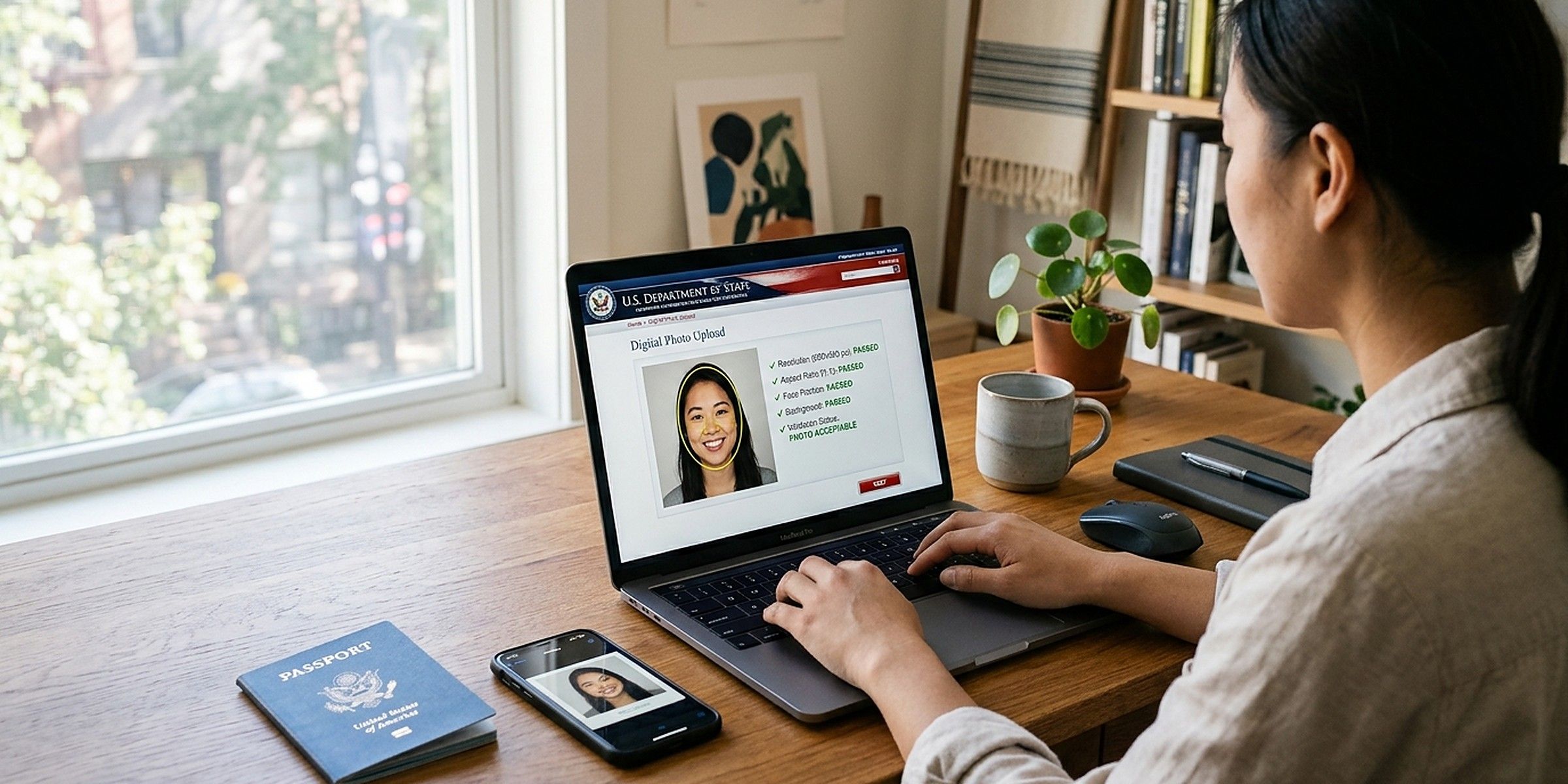
At the top of the evisa.gov.vn application form, you upload two separate JPEG images side by side: your vertical 40×60 mm (4×6 cm) Portrait Photo on the left and your Passport Data Page on the right. Vietnam's automated biometric check compares those two images and enforces two strict rules:
- Never crop or take a photo of the portrait printed on your passport bio-page: The system immediately detects the security watermarks and holograms of a passport page and rejects the application.
- Do not upload the same digital photo used on an older passport: Unless your U.S. passport was issued within the last few months, uploading a portrait that matches a 2-to-9-year-old passport triggers an "Amendment Required — Please upload a newly taken portrait photo (within 6 months)" email on day 4 of processing, resetting your 3-to-5 business day wait from scratch.
Trap #3: Entering the Wrong "Valid From" Date or Failing to Print Your Paper e-Visa PDF
Unlike many countries whose 90-day visa clock starts on the day you physically touch down at immigration, a Vietnam e-Visa is valid strictly between the exact "Granted visa valid from [DD/MM/YYYY] to [DD/MM/YYYY]" dates printed on your PDF. You can enter Vietnam on or after your Valid From date, but you can never enter even one hour before that date (keep international date-line crossings and midnight arrivals at Tan Son Nhat SGN or Noi Bai HAN in mind!). Finally, always carry at least two printed paper copies of your approved e-Visa PDF—Vietnamese immigration officers stamp and verify the physical printout alongside your passport.
3. Official Vietnam Visa 40×60 mm (4×6 cm) Photo Requirements (Digital & Print)
Vietnam's official biometric standard for both e-Visas and Vietnamese passports (Vietnamese passport photo) is a vertical rectangular portrait measuring 40×60 mm (4.0×6.0 cm / 1.57×2.36 inches, exact 2:3 aspect ratio, 945×1417 px at 600 DPI) on a pure white (#FFFFFF) background, with your head measuring 36 to 42 mm (60%–70% of the image height) and your eyes positioned 33 to 39 mm from the bottom edge.
Why "4×6 cm" (40×60 mm, 2:3 Ratio) Is Completely Different From a US 2×2 Inch or 4×6 Inch Photo
Because Vietnamese government instructions ask for a "4×6 cm photo," American travelers make two classic errors (which we also cover in our technical Vietnamese and Greek 40x60 mm passport and visa photo guide):
- Confusing 4×6 centimeters with 4×6 inches: A
4×6 cm(40×60 mm) portrait is a small wallet-sized vertical biometric photo (1.57 × 2.36 inches), whereas a U.S.4×6 inch(10×15 cm) print is a large postcard sheet! - Uploading a Square 2×2 Inch (1:1) US Photo into a 2:3 Box: When you upload a square
600×600 pxU.S. passport photo into the vertical2:3preview frame onevisa.gov.vn, the portal vertically stretches your face or crops off your ears and shoulders.
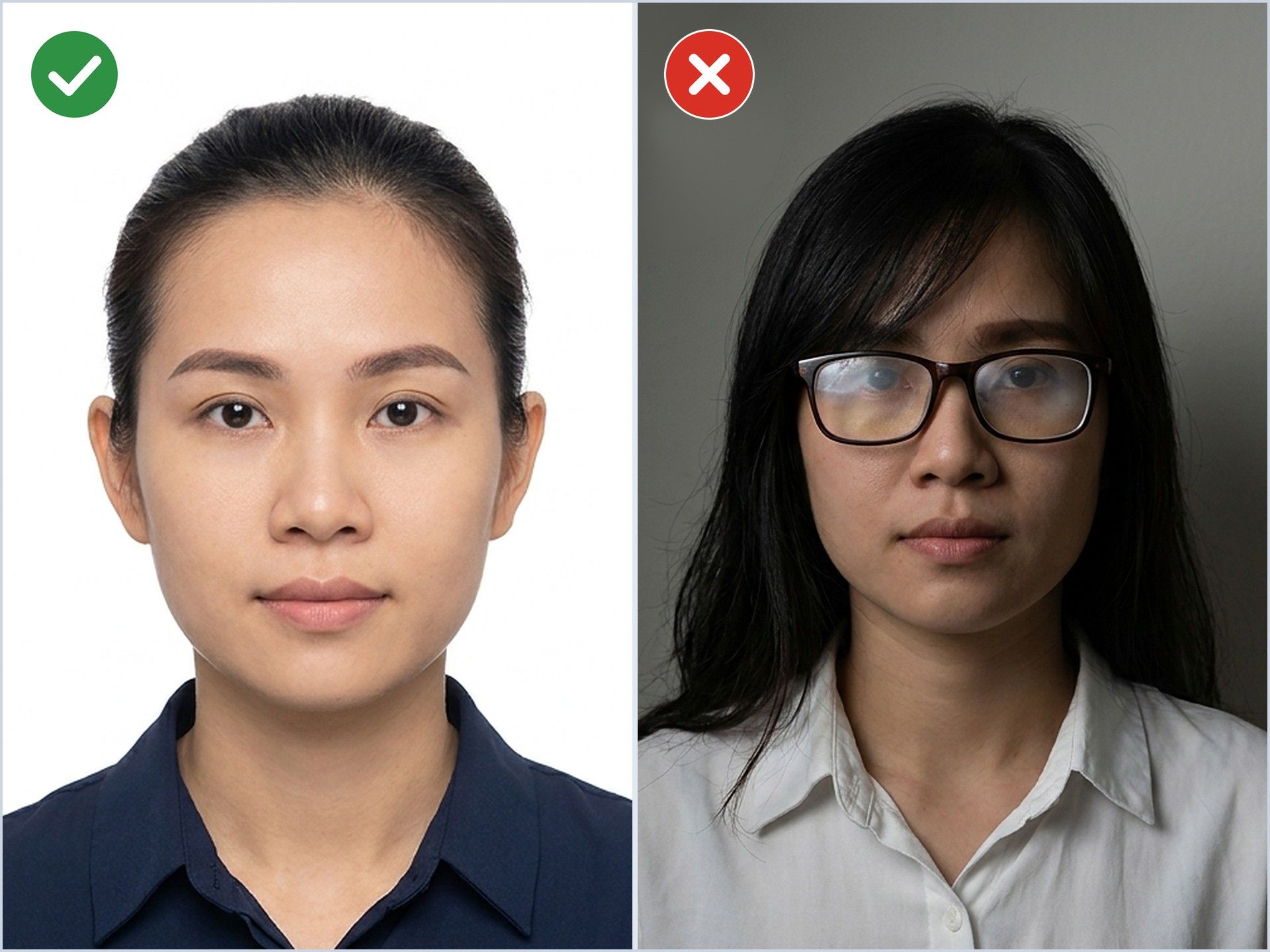
✔ DO: Compliant 40×60 mm (4×6 cm) Vietnam Visa Photo
- Use the exact 40×60 mm (2:3 ratio) frame: Ensure a 36–42 mm head height (60%–70%) and 33–39 mm eye level on a pure
#FFFFFFwhite background. - Tuck hair behind both ears and keep eyebrows clear: Vietnamese immigration reviewers strictly require both ears and the full forehead/eyebrows to be visible.
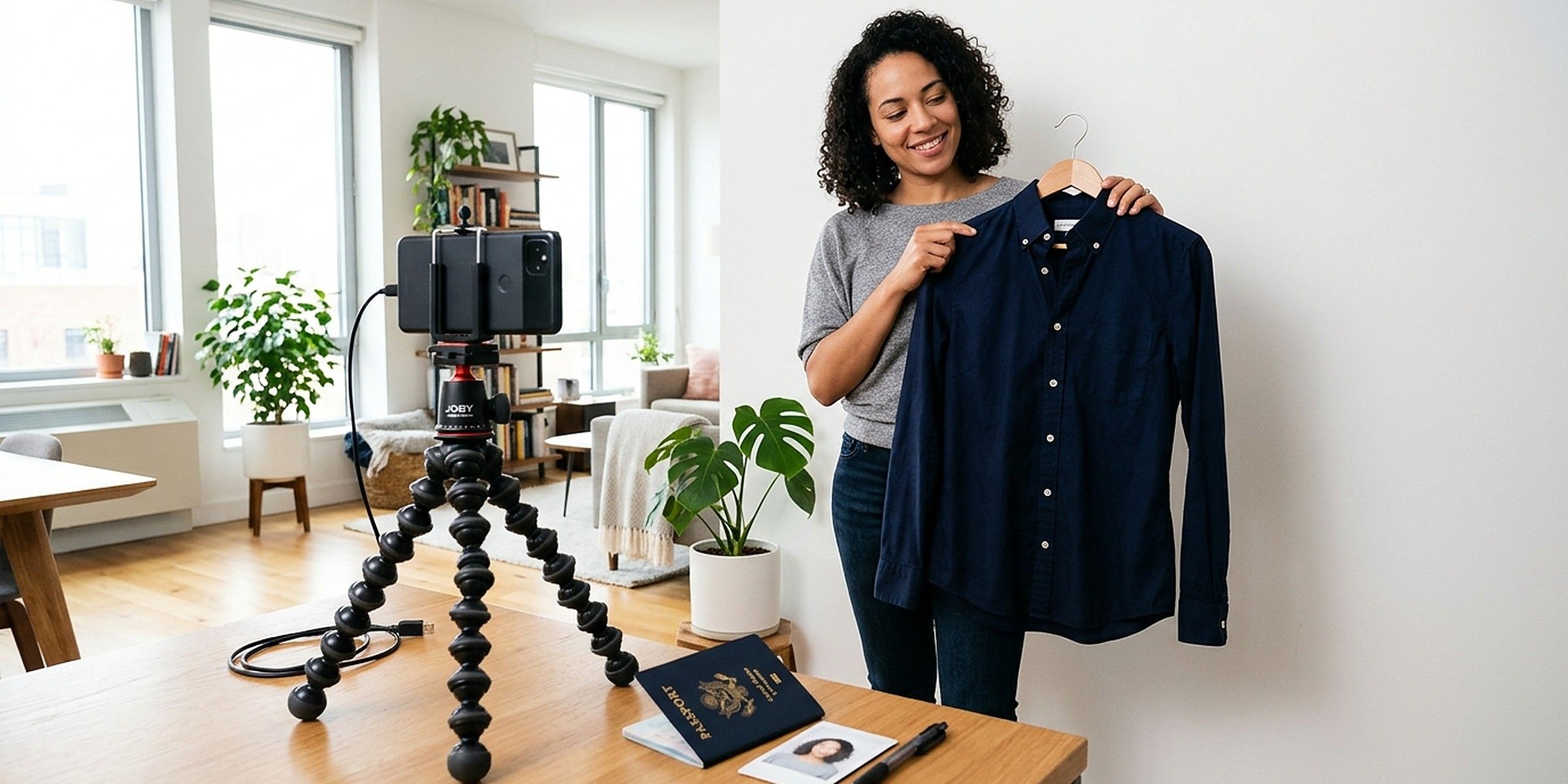
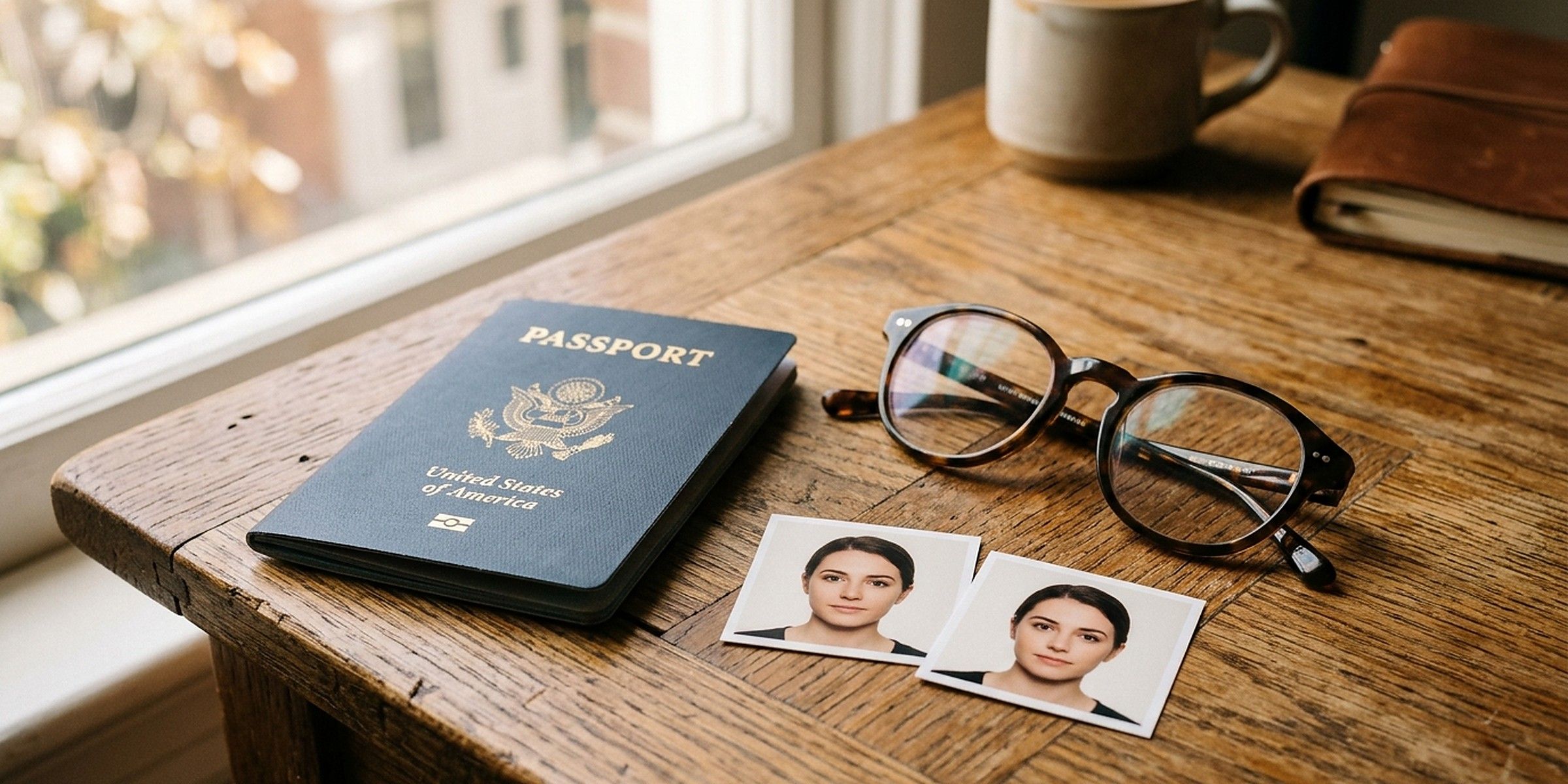
- Wear a dark collared shirt without eyeglasses: Contrasting clothing prevents your shoulders from blending into the white background, and removing glasses prevents lens glare.
- Take a fresh photo that differs from your passport bio-page: Prevent automated "duplicate passport photo" holds on
evisa.gov.vn.
✘ DON'T: Common evisa.gov.vn Photo Rejections
- Don't crop or photograph your U.S. passport bio-page: Reusing your passport photo is the #1 cause of Vietnam e-Visa amendment delays.
- Don't wear eyeglasses or let bangs cover your eyebrows: Any reflection on lenses or hair concealing your ears/eyebrows triggers manual rejection.
- Don't wear a white shirt against a shadowed wall: Low contrast or dark indoor background shadows fail Vietnam's biometric screening.
- Don't upload a square 2×2 inch (1:1) photo without 2:3 cropping: Square images get distorted inside the 40×60 mm portal frame.
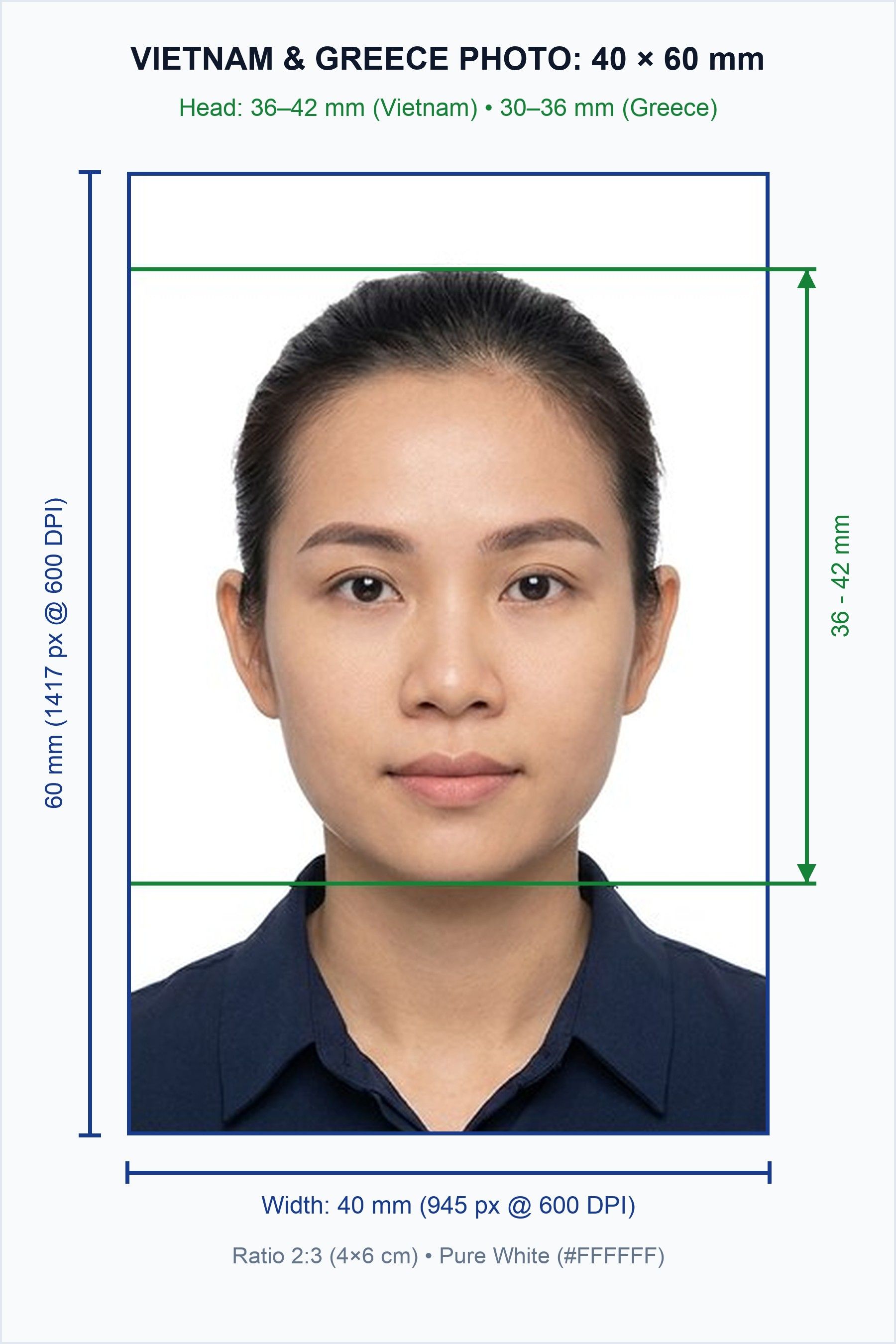
4. How to Create an Instant 40×60 mm Vietnam Visa Photo & $0.39 Print Sheet with Snap4ID
Because U.S. pharmacies like Walgreens, CVS, and USPS only shoot square 2×2 inch U.S. passport photos, getting an authentic 40×60 mm (4×6 cm, 2:3 aspect ratio) Vietnamese visa photo at a brick-and-mortar store in the United States is nearly impossible. With Snap4ID's Vietnamese visa photo (40x60 mm / 4x6 cm) tool, our AI checks 478 biometric points, replaces your background with pure #FFFFFF white, crops your portrait to the exact 40×60 mm (2:3) specification, and backs your photo with our 100% acceptance guarantee (full money-back guarantee in case of rejection).
Flying on an Emergency Visa on Arrival Approval Letter? Why You Need 2 Physical 4×6 cm Prints
What if you realized less than 72 hours before your flight that you forgot to apply for your Vietnam e-Visa (or need an emergency weekend correction because of a missing middle name) and had to purchase an expedited Visa on Arrival (VoA) Pre-Approval Letter through an authorized Vietnamese agency? When you land at Ho Chi Minh City (SGN), Hanoi (HAN), or Da Nang (DAD) with a Visa on Arrival approval letter, you must go to the Landing Visa Counter before immigration and hand the officer:
- Your printed Visa on Arrival approval letter and completed Form NA1;
- Two (2) physical printed 40×60 mm (4×6 cm) color photos (one glued to Form NA1 and one spare); and
- Crisp, unfolded USD cash ($25 for single-entry or $50 for multiple-entry stamping fee).
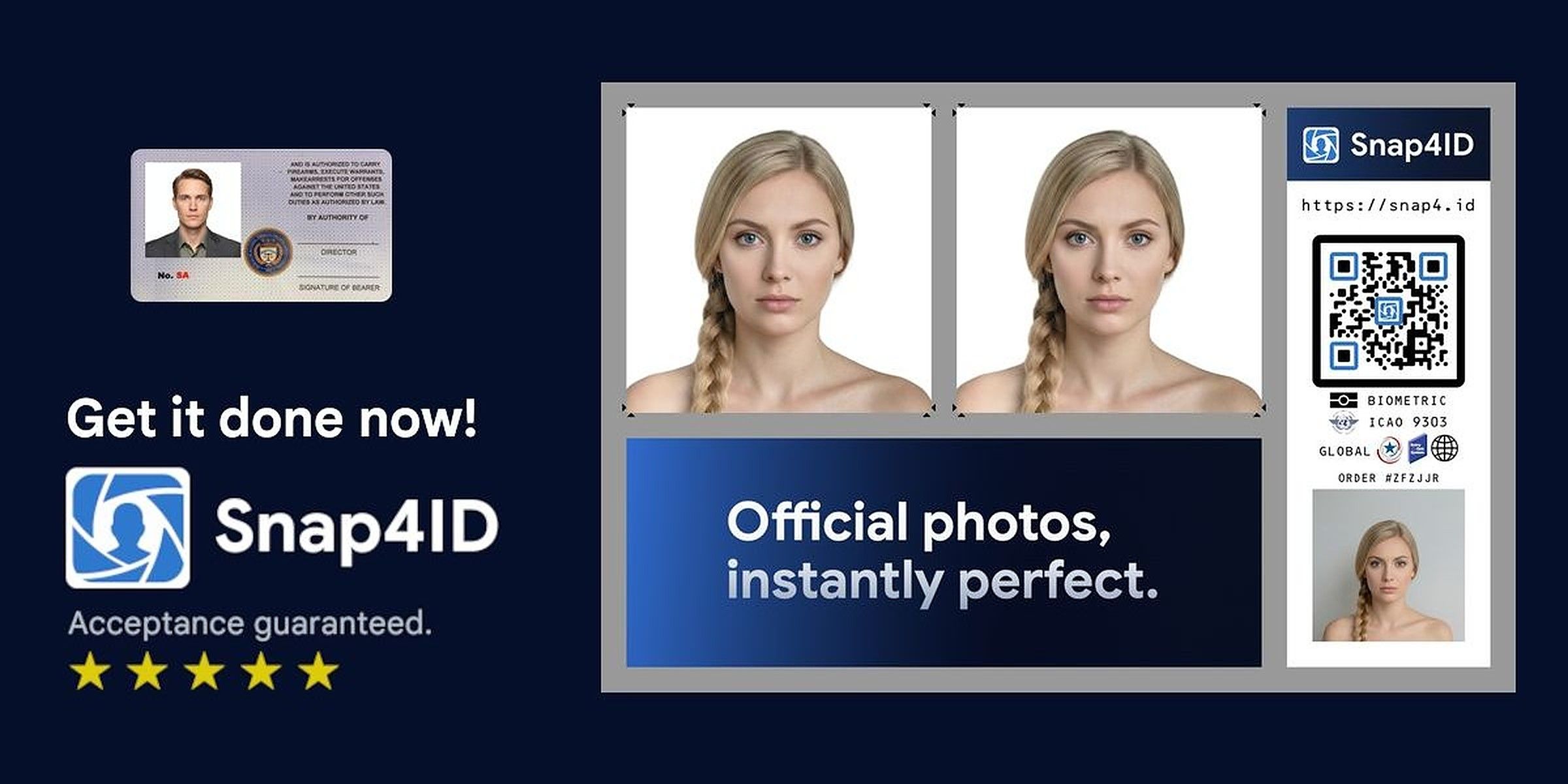
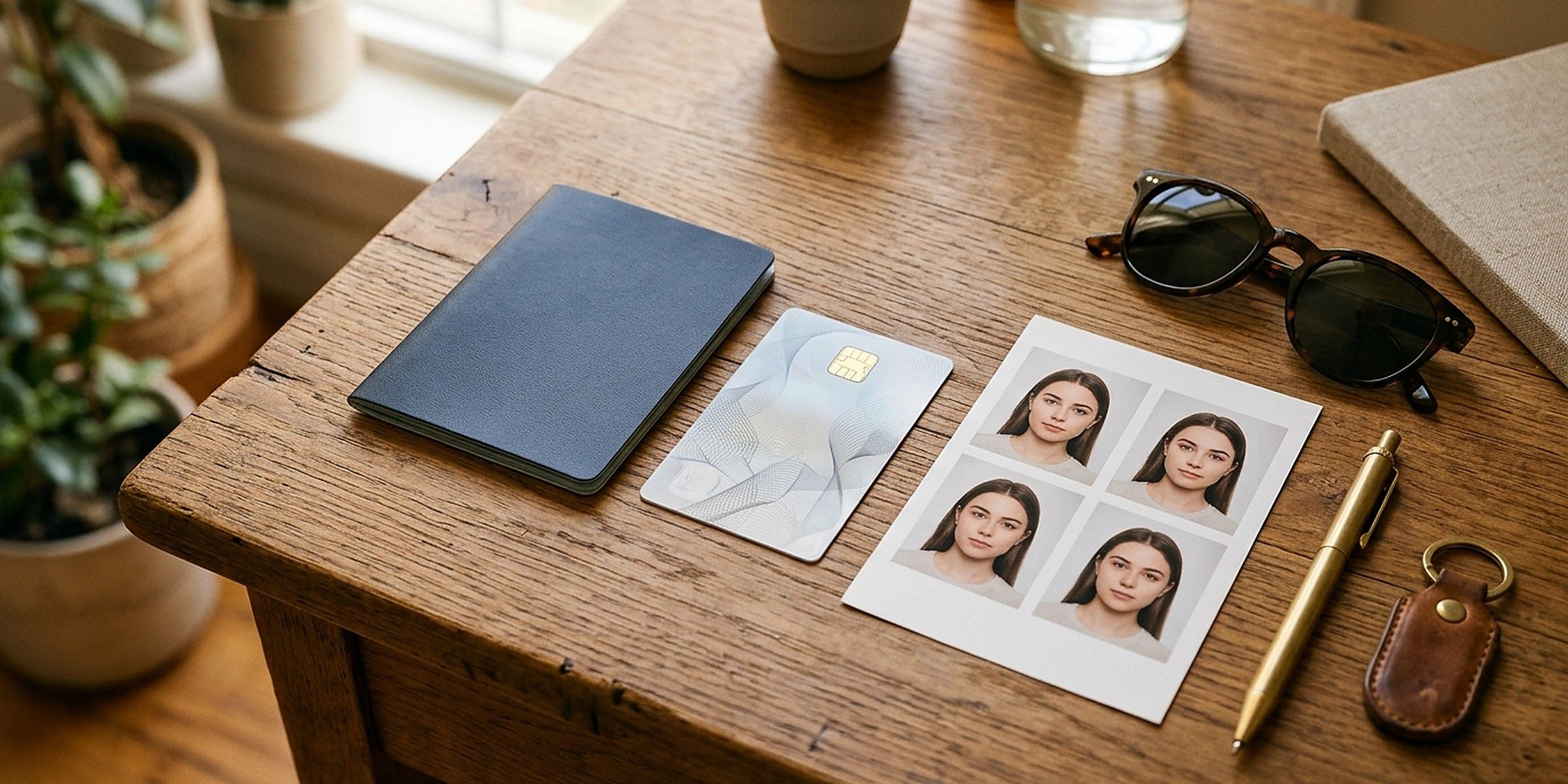
Every Snap4ID order gives you both the instant digital 40×60 mm JPEG for evisa.gov.vn and a calibrated 4×6 inch (10×15 cm) print sheet containing three exact 40×60 mm (4×6 cm) photos with precision cut guides—so you can print the sheet for $0.39 at any CVS or Walgreens on your way to the airport.
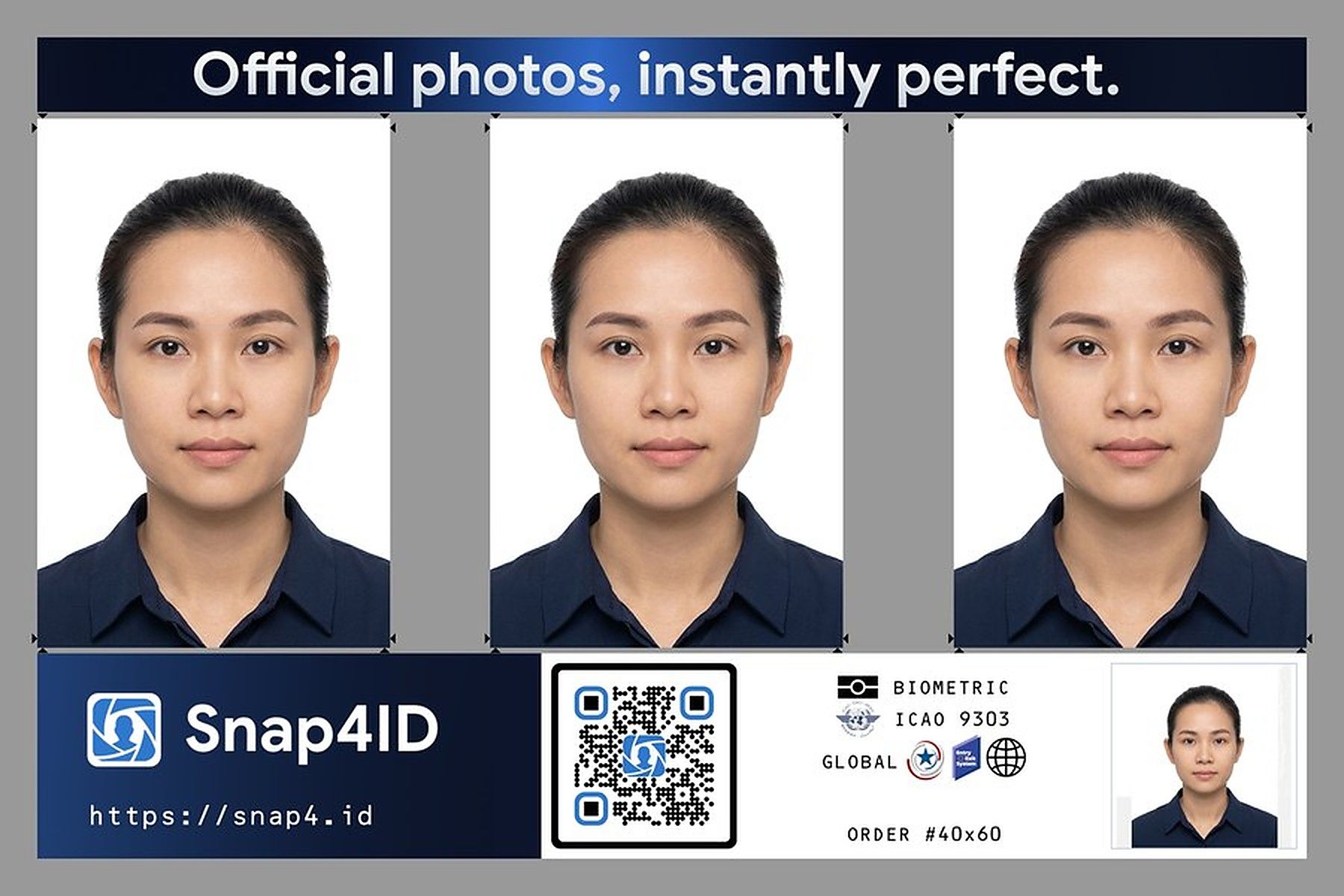
evisa.gov.vn and a 4×6 inch print sheet containing three exact 40×60 mm (4×6 cm) photos you can print for $0.39 at CVS or Walgreens.5. Frequently Asked Questions (FAQ)
What is the official website for the Vietnam 90-day e-Visa in 2026?
The sole official government website operated by the Vietnam Immigration Department for electronic visas in 2026 is evisa.gov.vn (also accessible via its Vietnamese government domain thithucdientu.gov.vn). It charges exactly $25 USD for a 90-day single-entry e-Visa and $50 USD for a 90-day multiple-entry e-Visa.
What size photo do I need for a Vietnam e-Visa or Visa on Arrival?
Vietnam requires a vertical 40×60 mm (4×6 cm / 1.57×2.36 inches, exact 2:3 aspect ratio) color biometric portrait on a pure white (#FFFFFF) background with a 36–42 mm head height (60%–70% of the frame), uncovered ears and eyebrows, and no eyeglasses.
Should I include my middle name on the Vietnam e-Visa application?
Yes, you must enter both your First Name and your full Middle Name in the Given Name field on evisa.gov.vn so that your e-Visa matches the bottom ICAO Machine Readable Zone (MRZ) line of your U.S. Passport Book. Omitting your middle name is a leading cause of airline boarding denials.
Why did Vietnam Immigration reject my e-Visa photo for matching my passport?
The Vietnam Immigration Department requires your uploaded 40×60 mm portrait photo to be taken within the last 6 months and explicitly prohibits cropping or reusing the portrait from your passport bio-page. Uploading a photo identical to an older passport triggers an "Amendment Required" hold.
How long does it take to get a Vietnam e-Visa for a US citizen?
Standard processing on evisa.gov.vn takes 3 to 5 Vietnamese working days (excluding Saturdays, Sundays, and Vietnamese national holidays such as Tet). However, if your portrait photo or middle name is flagged for correction, the 3-to-5 business day timer restarts from day one after resubmission.
Avoid "Amendment Required" holds on evisa.gov.vn. Snap a fresh photo at home—Snap4ID checks 478 biometric points, removes the background to pure #FFFFFF white, and delivers both the digital 40×60 mm (2:3) file and a $0.39 4×6" print sheet with a 100% acceptance guarantee. Create Your 40×60 mm Vietnam Visa Photo Now →