Beards and Facial Hair in US Passport Photos: Shaving, Growing & Shadow Rules (2026)
Yes, beards & mustaches are allowed in US passport photos, and you don't need a new passport if you shave. Learn the 1–1 3/8 inch chin bone & lip-line rules.
Table of Contents
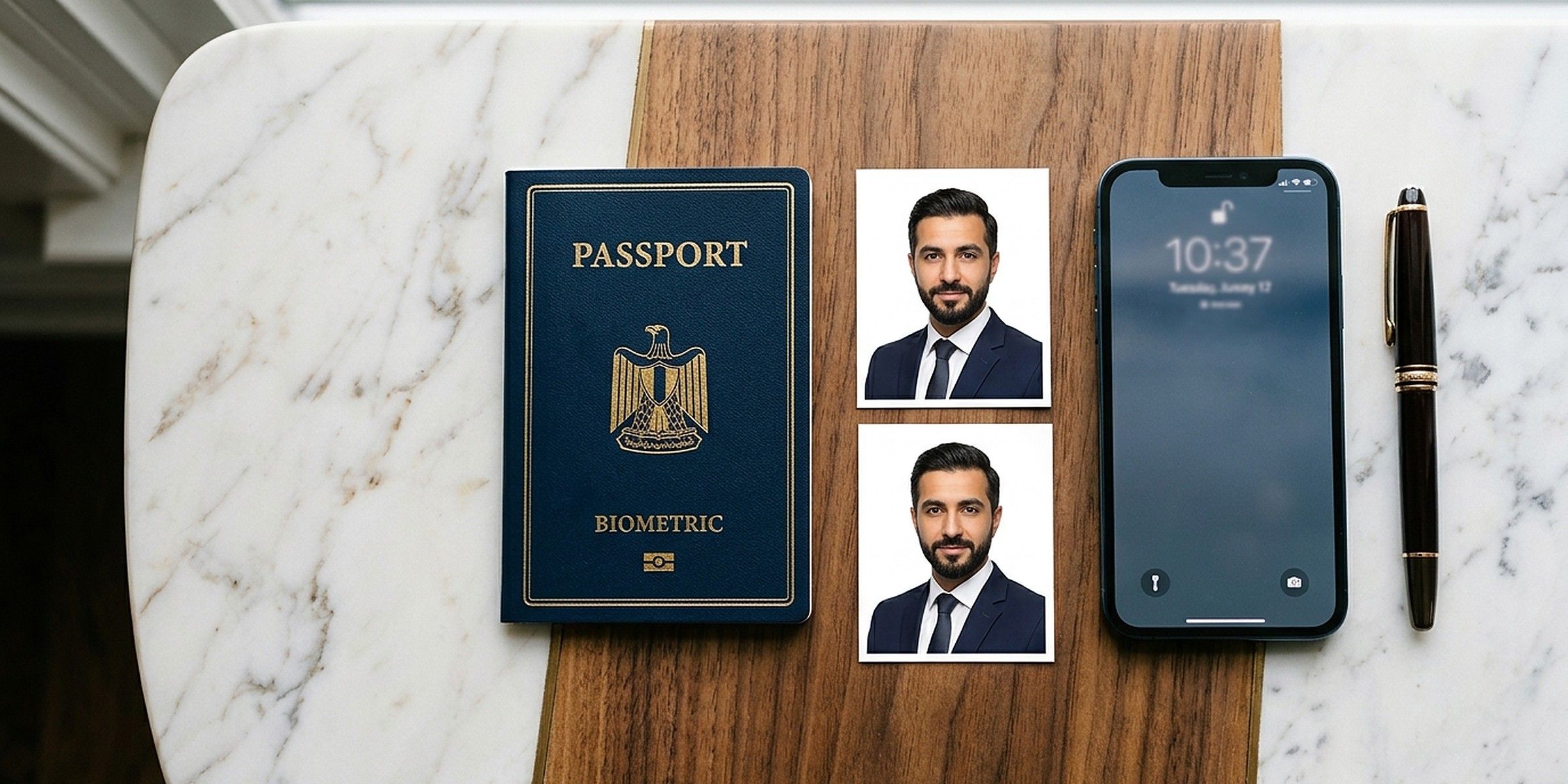
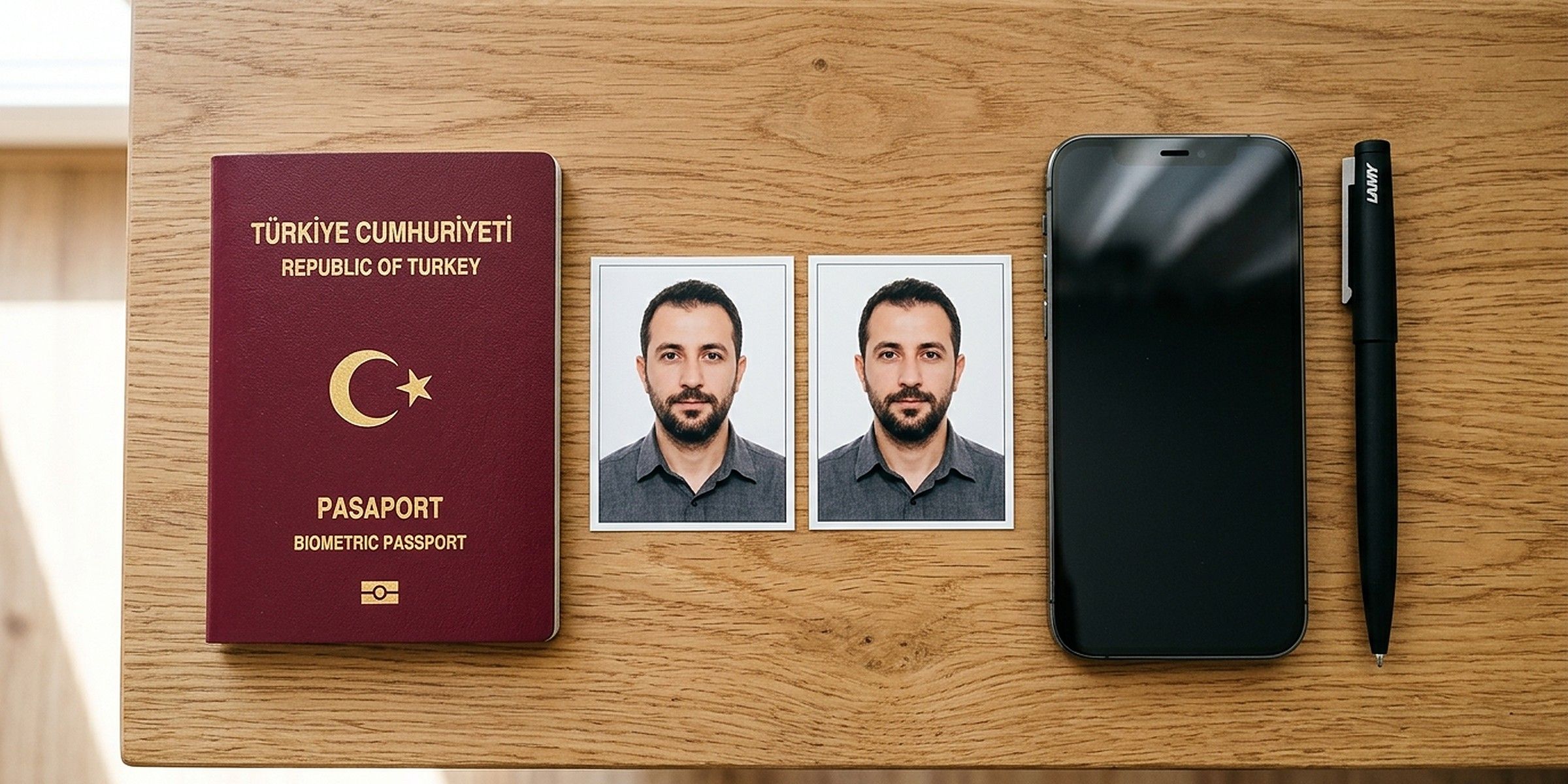
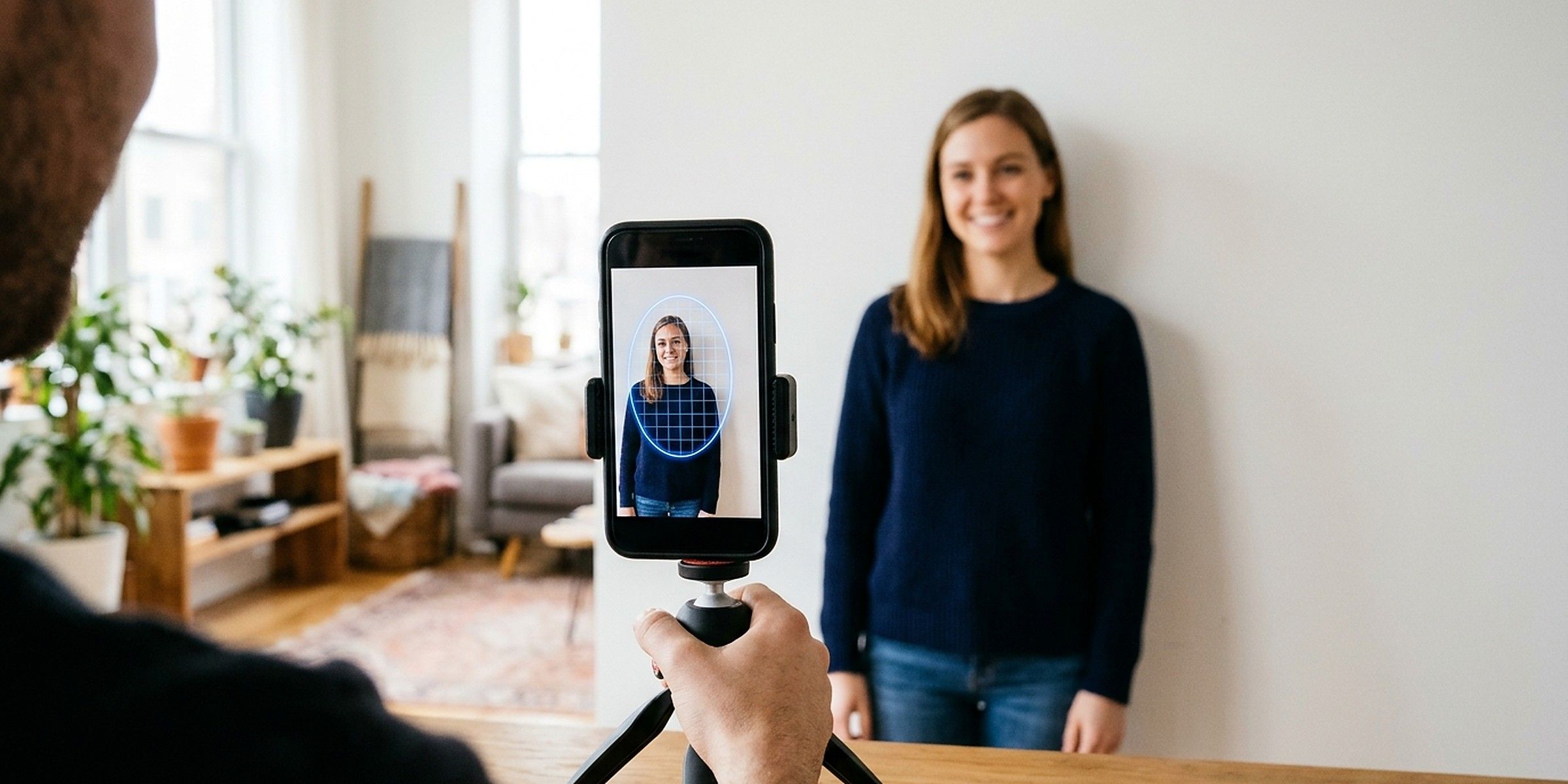
Yes, beards, mustaches, and goatees are 100% allowed in U.S. passport photos, and according to official U.S. Department of State guidelines, you do not need to get a new passport if you grow or shave your beard after your passport is issued. However, when taking a new 2×2 inch photograph, long or thick facial hair can still trigger automated rejections on MyTravelGov if a retail kiosk measures your 1 to 1⅜ inch (25–35 mm) head height to the bottom tip of your beard instead of your anatomical chin bone, or if your beard casts dark shadows onto your neck. Whether you are preparing a US passport photo or a US visa photo at home, Snap4ID's AI maps 478 biometric points to locate your true jawline and backs your photo with a 100% acceptance guarantee.
- No Need to Shave or Renew: You can wear any natural beard, mustache, or goatee in your U.S. passport photo, and shaving or growing a beard later does not require a new passport.
- The Anatomical Chin Bone Rule (1" to 1⅜"): Federal head-height rules (
25–35 mm/50%–69%of the frame) measure from the skull crown to the bony tip of your chin (menton)—never to the bottom of a chest-length beard. - Keep Your Closed Lip Line Visible: Biometric scanners must detect the corners of your mouth and your closed lip line, so comb or trim heavy mustaches just enough to expose the mouth slit.
- Eliminate Under-Beard & Side Shadows: Face a bright window at eye level so diffused daylight fills the area beneath your jawline and prevents dark shadows on your neck or background.
Every year, thousands of bearded travelers hesitate before their passport photo sitting—wondering whether they should shave to play it safe, or worrying that U.S. Customs and Border Protection (CBP) e-Gates will flag them if they grow a winter beard before an international flight. Below is the complete 2026 breakdown of State Department facial hair rules, how airport biometric cameras see through beards, and how to avoid the four technical cropping and lighting mistakes that cause bearded passport photos to fail.
1. Do You Need a New US Passport If You Grow or Shave a Beard? (Official State Dept Rule)
No, you never need to apply for a new U.S. passport or replace your passport photo if you grow a full beard, shave off an existing beard, or change your mustache style during your passport's 10-year validity period.
| Appearance or Facial Hair Change | New US Passport Photo Required? | Why CBP & State Department Biometrics Accept or Reject It |
|---|---|---|
| Shaving Off a Full Beard or Mustache | No (Passport remains 100% valid) | CBP cameras match upper-face craniofacial bone geometry (eyes, nose bridge, cheekbones), not lower-jaw hair. |
| Growing a New Beard, Goatee, or Stubble | No (Passport remains 100% valid) | Explicitly exempted on Travel.State.Gov as a normal everyday grooming change. |
| Graying or Dyeing Facial Hair / Head Hair | No (Passport remains 100% valid) | Pigmentation changes in hair or beard follicles do not alter biometric landmark ratios. |
| Religious Beards (Sikh, Muslim, Jewish) | Allowed in All Photos (No statement needed) | Facial hair requires zero signed statement; only religious headwear requires a signed declaration. |
| Long Beard Shrinking Face Below 1 Inch in New Photo | Rejected on New Applications | If a kiosk measures 1 to 1⅜" to the beard tip instead of the chin bone, the cranium and eyes become too small. |
| Overgrown Mustache Hiding Both Lips | Risk of Rejection on New Applications | Automated pre-screeners must verify a closed mouth and visible oral commissures (corners of the lips). |
| Major Facial Surgery, Trauma, or Facial Tattoos | Yes (Requires a new passport) | Classified as a "significant facial change" because permanent bone structure or skin landmarks are altered. |
How Airport CBP and TSA Facial Recognition Matches You With or Without a Beard
Many travelers assume that airport facial recognition kiosks work like human eyes—looking at the overall silhouette of your hair, beard, and jawline. In reality, the U.S. Customs and Border Protection (CBP) Biometric Facial Comparison System (Traveler Verification Service) is specifically engineered to ignore hair and facial hair completely.
When you step in front of a CBP camera at international boarding gates or Global Entry kiosks, the algorithm maps the immutable upper-craniofacial triangle: the exact millimeter distance between your pupils, the depth of your orbital eye sockets, the width and angle of your nasal bridge, and the prominence of your zygomatic (cheekbone) arches. Because growing a thick beard or shaving clean does not change a single millimeter of your eye sockets or nose bridge, CBP's biometric match score remains above 99% whether you are clean-shaven or sporting a full winter beard.
What Actually Counts as a "Significant Facial Change" Requiring a New Passport?
According to the U.S. Department of State Official Passport Photo Requirements & FAQs, you are only required to apply for a replacement passport and submit a new photograph if your appearance has permanently changed due to:
- Significant facial surgery or severe facial trauma that alters your underlying bone or soft-tissue structure.
- Adding or removing numerous or large facial piercings or extensive facial tattoos across key biometric zones.
- Undergoing a significant amount of weight loss or weight gain that fundamentally reshapes facial contours.
- Completing a gender transition.
2. The Long-Beard Biometric Trap: How the 1 to 1⅜ Inch Head Height Is Measured
The #1 technical reason bearded U.S. passport photos get rejected on MyTravelGov is the long-beard auto-crop trap: basic photo kiosks mistake the bottom tip of a long beard for your chin, zooming way out and shrinking your actual skull and face below the mandatory 1 to 1⅜ inch (25–35 mm) requirement.
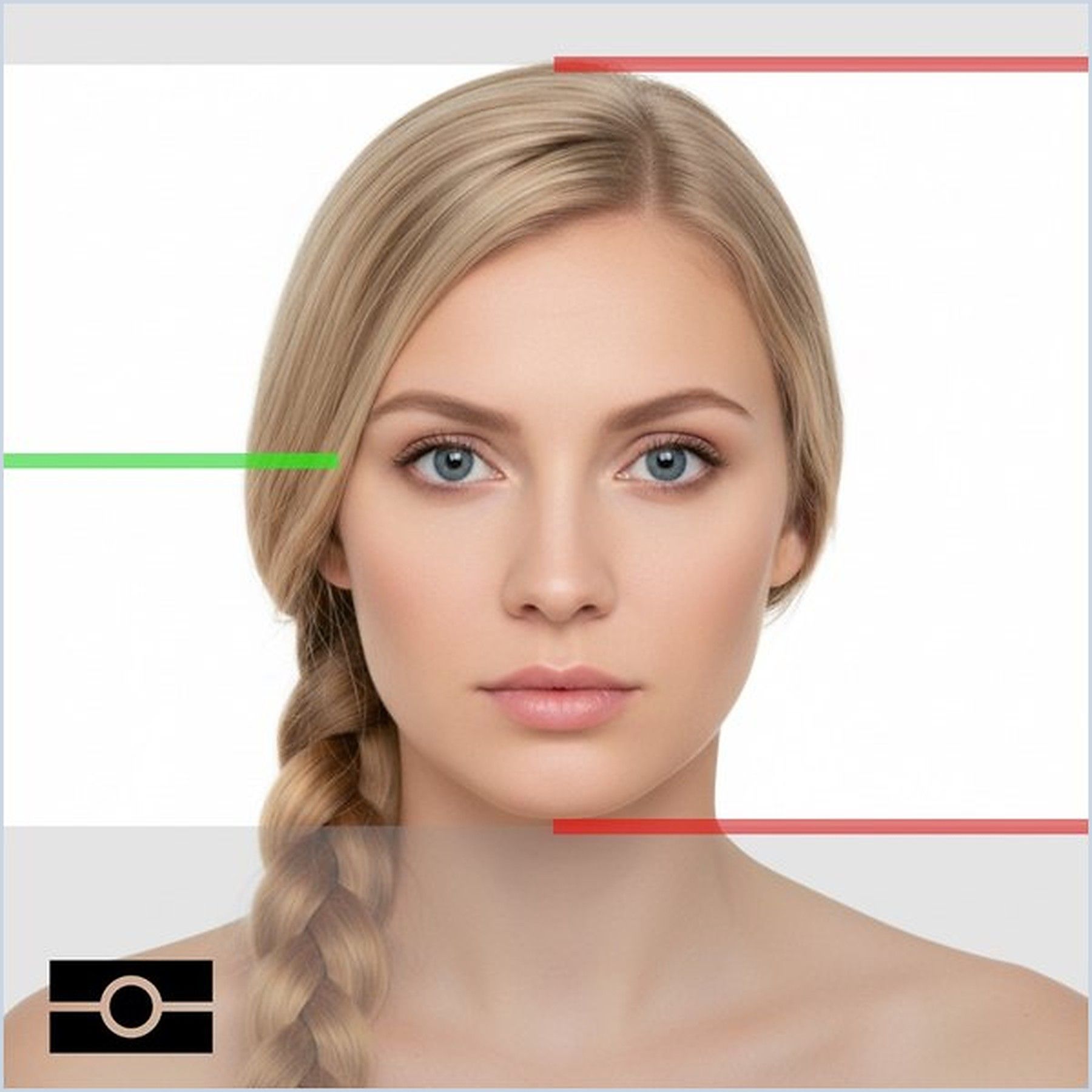
Anatomical Chin Bone vs. Beard Tip: Keeping Eyes in the 1⅛"–1⅜" Window
Counter-Intuitive Long-Beard Cropping Rule: In a 2×2 inch (51×51 mm) U.S. passport photo, the required 1 to 1⅜ inch (50% to 69%) head height is measured from the top of your skull crown to the bottom of your anatomical chin bone (menton)—not to the bottom of your beard! If your beard hangs 3 or 4 inches below your jaw, the bottom tip of your beard is supposed to extend down toward (or even get cropped by) the bottom edge of the 2×2 inch square so your eyes stay inside the mandatory 1⅛ to 1⅜ inch window.
When a pharmacy clerk or cheap online cropper tries to squeeze the entire length of a chest-length beard above the collar inside the 2×2 inch box, your actual cranium shrinks to 0.75 inches and your eyes drop below 1⅛ inches—triggering an instant automated dimension rejection.
How Snap4ID Maps 478 Biometric Points to Scale Bearded Portraits Correctly
Instead of relying on simple contrast-edge detection (which gets fooled by dark beard hair), Snap4ID's biometric engine maps 478 biometric points across your facial skeleton. By triangulating the exact distance between your pupils, tear ducts, nasal base (subnasale), and mouth corners, Snap4ID calculates the exact position of your anatomical chin bone underneath your beard. It then locks your true skull-to-chin height at 1 to 1⅜ inches (25–35 mm) and places your eyes at 1⅛ to 1⅜ inches from the bottom border—backed by our 100% acceptance guarantee (full money-back guarantee if rejected).
3. Mustache Lip-Line Visibility & Under-Beard Shadow Rules
To pass automated State Department screening with a beard or mustache, your closed lip line must remain visible so scanners can verify a neutral expression, and you must use front-facing daylight so your beard does not cast dark shadows across your neck or background.
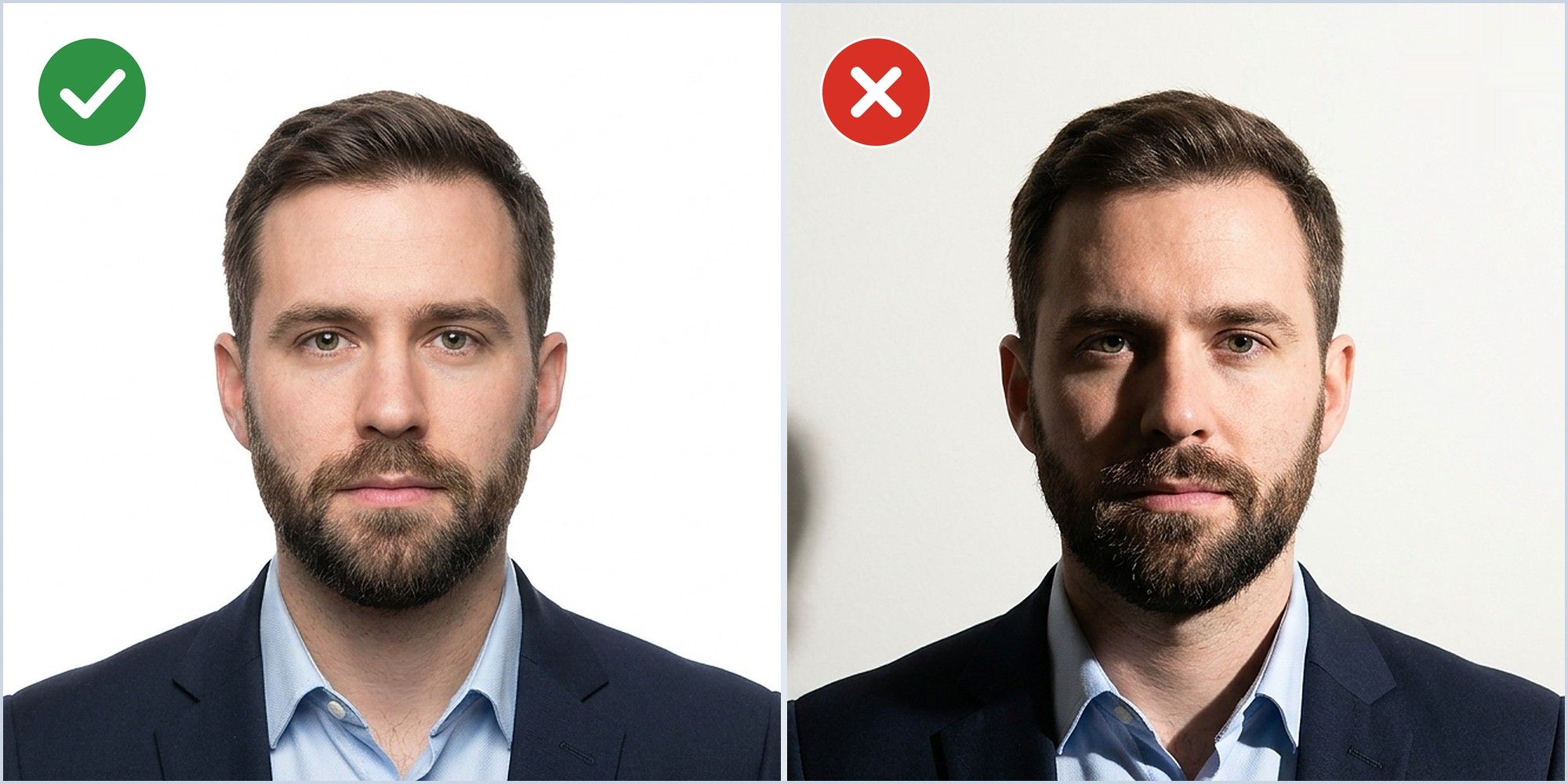
Mustaches & Goatees: Why Your Closed Lip Line Must Remain Visible
Federal passport rules require a neutral facial expression with both eyes open and the mouth closed. When your photo is uploaded to MyTravelGov or scanned at a passport agency, the AI checks the horizontal line where your upper and lower lips meet (the stomion and oral commissures).
If you wear a heavy handlebar, walrus, or chevron mustache that hangs completely over both your upper and lower lips like a curtain, the software cannot verify that your mouth is closed. You do not need to shave your mustache off—simply comb or lightly trim the center hairs just above the parting line of your lips before taking the photo so the closed mouth line is clearly visible.
Lighting a Full Beard: Preventing Dark Neck Shadows and Background Halos
A dense, full beard projects outward from the jawbone by one to two inches. When you stand under an overhead ceiling bulb or pharmacy fluorescent tube, the bulk of your beard acts like an awning, casting a pitch-black shadow across your throat and shirt collar, while side lighting casts a secondary shadow of your beard onto the wall behind your neck.
To eliminate beard shadows completely, stand 4 to 5 feet directly in front of a bright window during the day (with all eyeglasses removed, per our US passport photo glasses rules guide). Horizontal daylight illuminates the front of your beard, the underside of your chin, and your neck evenly, while Snap4ID's AI replaces the room behind you with a pure, shadow-free #FFFFFF white background.
✔ DO: Compliant Beard & Mustache Framing
- Keep your natural everyday beard or mustache: You never need to shave for a U.S. passport, visa, or REAL ID photo.
- Scale head height to your anatomical chin bone: Ensure your skull crown-to-chin bone is
1 to 1⅜ inchesand eyes are at1⅛ to 1⅜ inches. - Comb mustache hairs clear of the lip line: Let the horizontal line between your closed upper and lower lips show clearly.
- Use front-facing window daylight: Stand facing a bright window so soft light fills the neck area beneath your beard.
✘ DON'T: Common Facial Hair Rejections
- Don't zoom out to fit a chest-length beard: Measuring
1 to 1⅜"to the tip of a long beard shrinks your actual face too small. - Don't let a thick mustache hide your entire mouth: Obscuring both lips prevents scanners from verifying a closed-mouth expression.
- Don't shoot directly under ceiling lights: Overhead bulbs turn a thick beard into a dark shadow visor across your neck.
- Don't wear reflective metal beard beads or clips: Shiny metallic beads create flash glare and count as non-religious accessories.
4. Religious Beards (Sikh, Muslim, Jewish) & What Shirt to Wear With a White or Dark Beard
Beards worn for religious observance (including uncut Sikh kesh beards, Muslim sunnah beards, and observant Jewish beards) are unconditionally permitted in U.S. passport photos without any signed statement—and pairing your beard with a dark collared or crew-neck shirt ensures clean contrast against the mandatory pure white (#FFFFFF) background.
Have a White or Silver Beard? How to Keep Clear Contrast Against a #FFFFFF Background
Unlike religious headwear (such as a Sikh dastar/turban or Jewish kippah, which require a simple signed statement as detailed in our guide to hairstyles, bangs, and religious headwear rules in US passport photos), a religious beard never requires paperwork. However, if you have a white, silver, or light gray beard, wearing a white shirt against a pure white (#FFFFFF) background will cause the bottom of your beard and your shoulders to vanish into the backdrop.
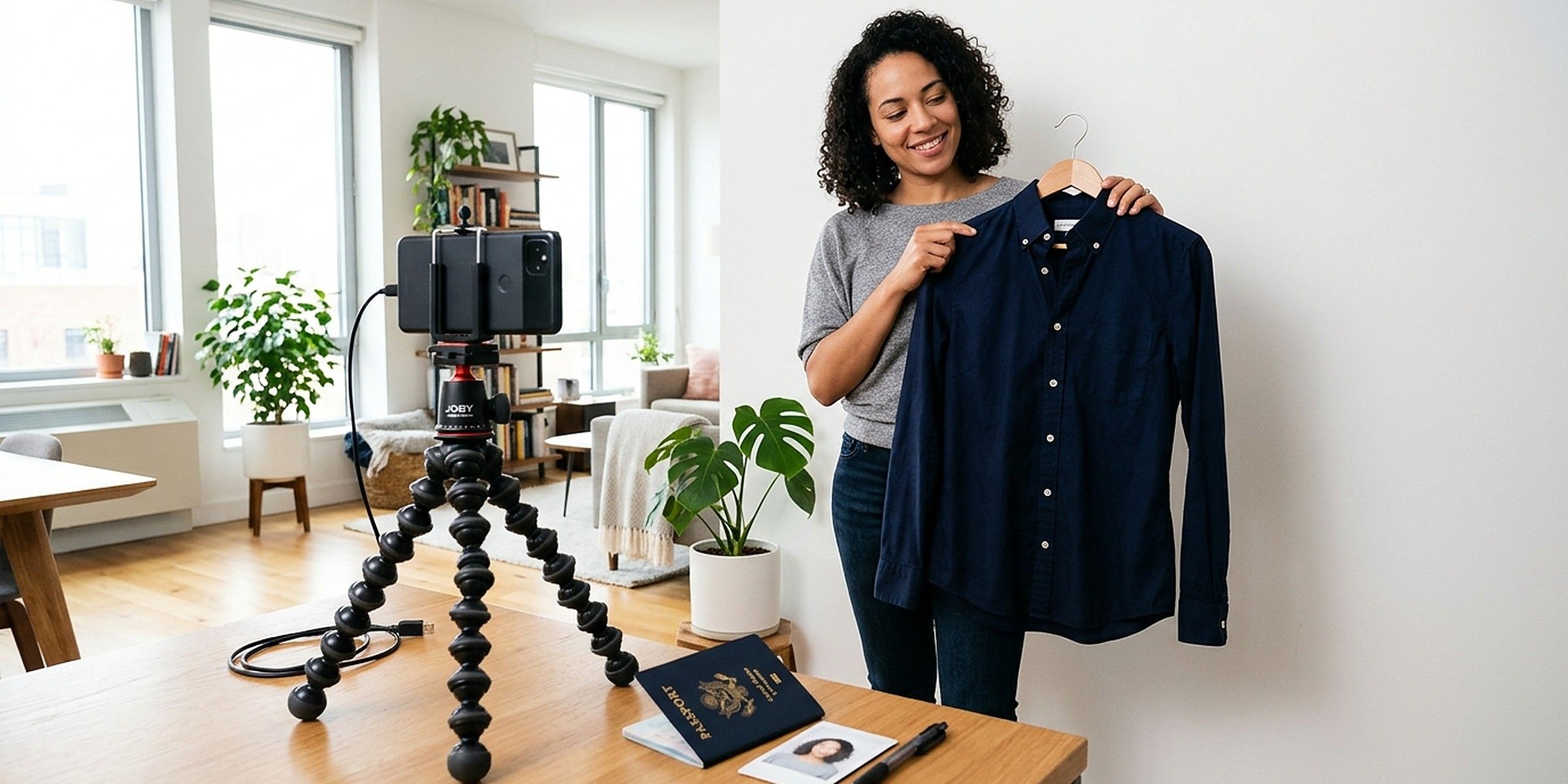
Always wear a dark navy, charcoal gray, black, or burgundy shirt when taking your photo (see our full guide on what to wear for a US passport photo). A dark neckline creates a crisp horizontal boundary right behind a white or gray beard, making your portrait 100% compliant for U.S. passports, REAL ID renewals, and consular visas.
5. Frequently Asked Questions (Beards & Facial Hair in US Passport Photos)
Do I need to get a new US passport if I shave my beard off?
No, according to official U.S. Department of State guidelines on Travel.State.Gov, growing or shaving a beard, mustache, or goatee does not require you to apply for a new passport or submit a new passport photo. Your existing passport remains valid until its printed expiration date.
Should I shave my beard before taking a US passport or visa photo?
No, you do not need to shave your beard before taking a U.S. passport or visa photo. The State Department recommends that your photo reflect your normal everyday appearance, provided your closed lip line is visible and your beard does not cast dark shadows on your neck.
Where is the bottom of the head measured if my beard covers my chin?
In a 2×2 inch U.S. passport photo, the mandatory 1 to 1⅜ inch (25–35 mm) head height is measured from the top of your skull crown to the bottom of your anatomical chin bone (menton)—not to the bottom tip of a long beard.
Can a thick mustache cause my passport photo to be rejected?
A mustache is completely permitted, but an overgrown walrus or handlebar mustache that completely curtains over both lips and hides the corners of your mouth can trigger an automated biometric rejection. Comb or trim your mustache slightly above the central lip line before taking your photo.
Are beard beads or facial hair clips allowed in a US passport photo?
Unless worn daily as part of documented religious observance, decorative metallic beard beads, rings, and reflective hair clips should be removed before taking your U.S. passport photo. Shiny metal beads reflect camera light and can be flagged as facial obstructions by biometric scanners.
Don't let a retail kiosk shrink your face because of your beard. Snap4ID maps 478 biometric points to your true chin bone, sets a pure white (#FFFFFF) background, and delivers a digital file plus a $0.39 4×6" print sheet—backed by our 100% acceptance guarantee. Create Your 2×2 US Passport Photo Now →