China Visa and 240-Hour Transit Rules for US Citizens 2026: COVA 33x48 mm Photo Guide
2026 China entry rules for US citizens: 240-hour (10-day) Visa-Free Transit across 60 ports & 24 provinces vs. the $140 10-year L-Visa & COVA 33x48 mm photos.


Table of Contents
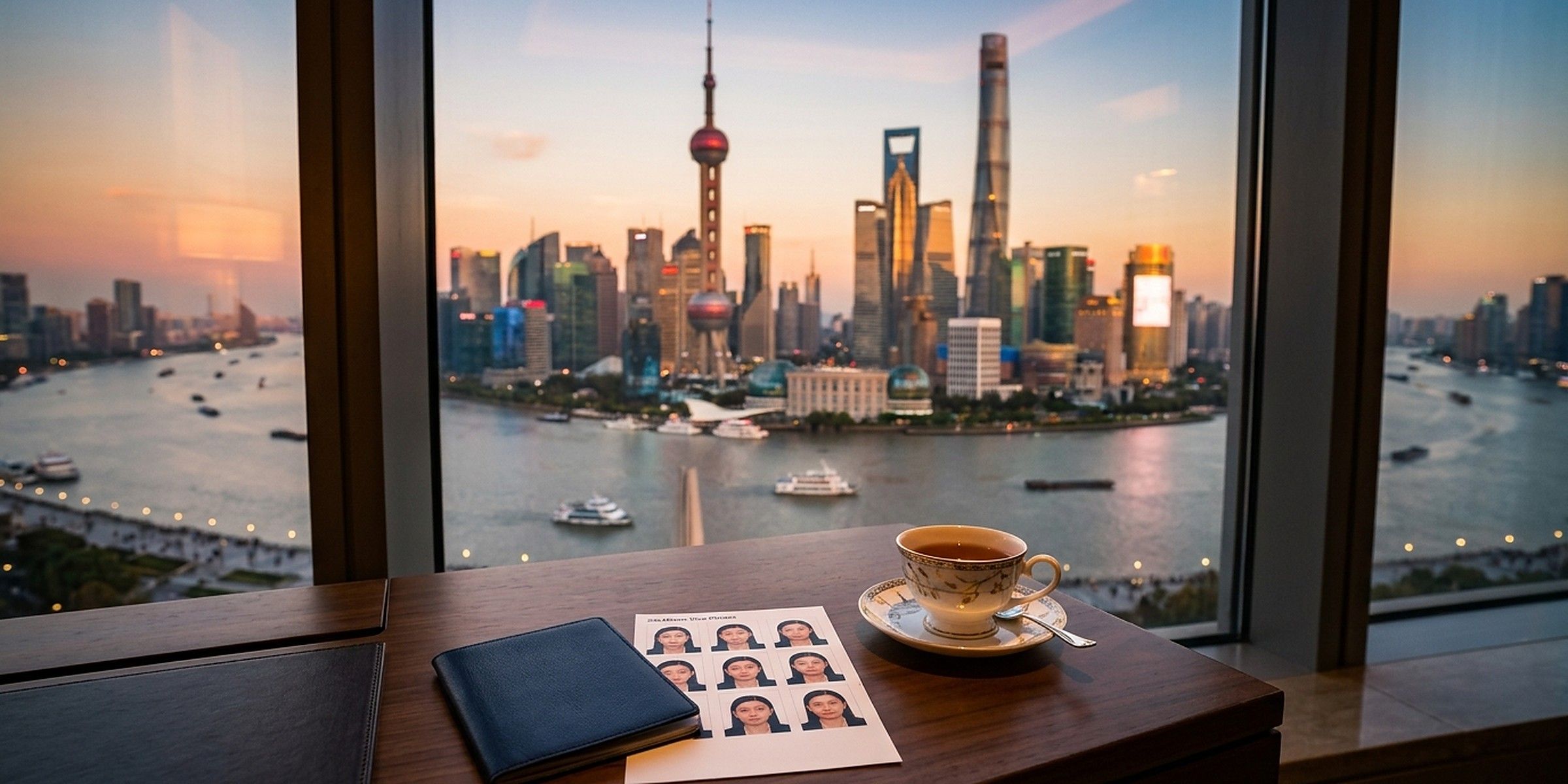
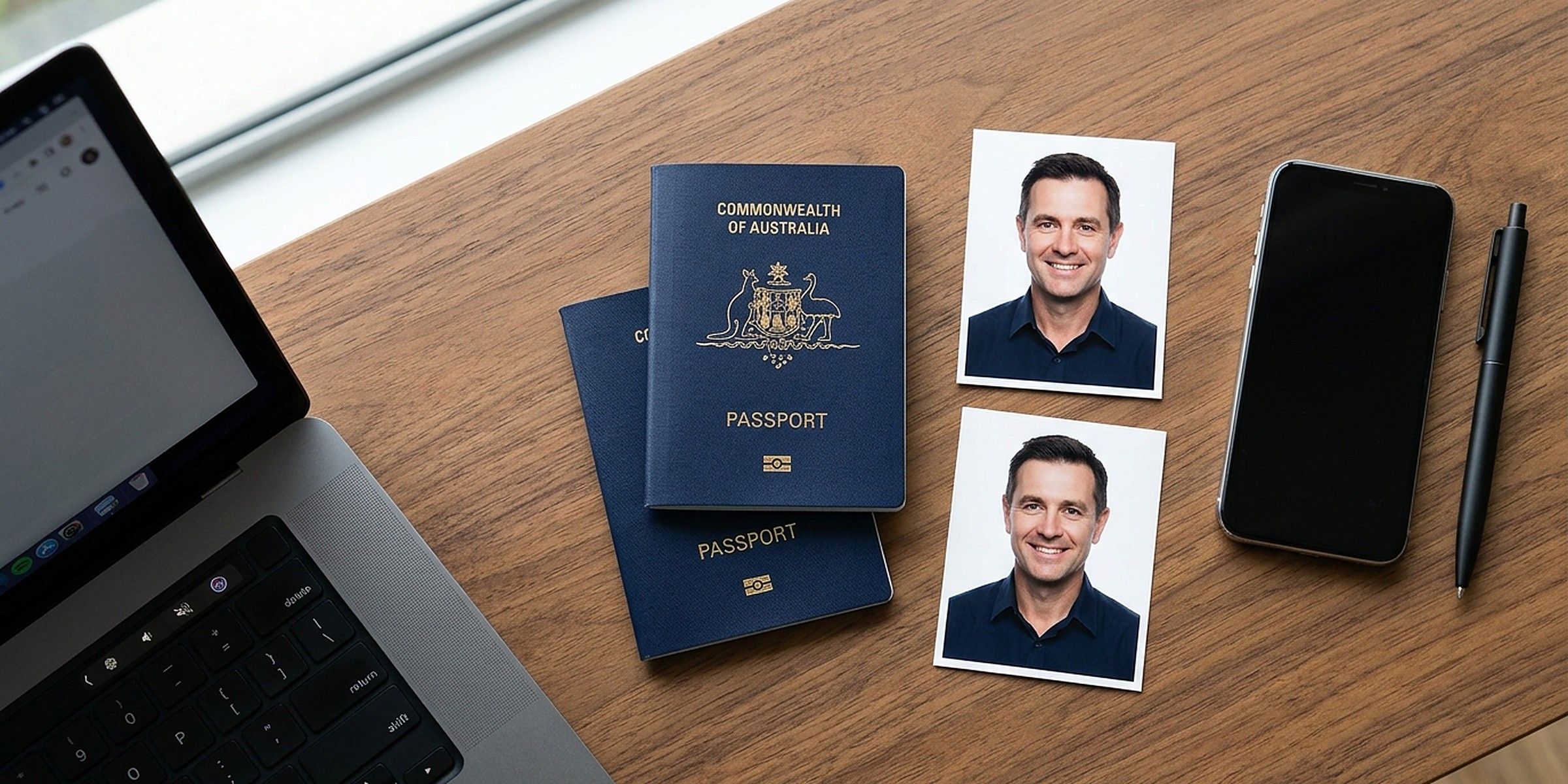
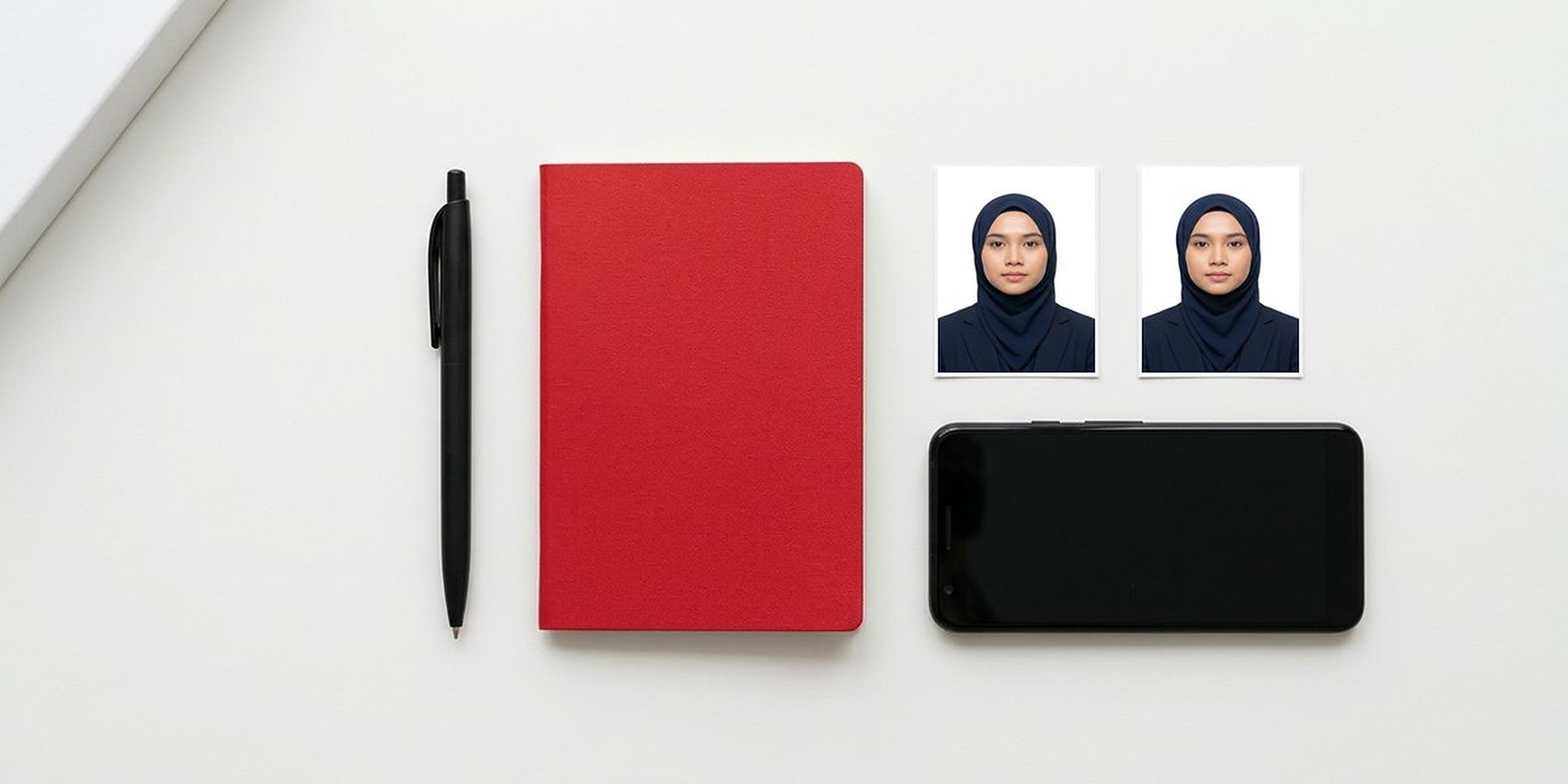
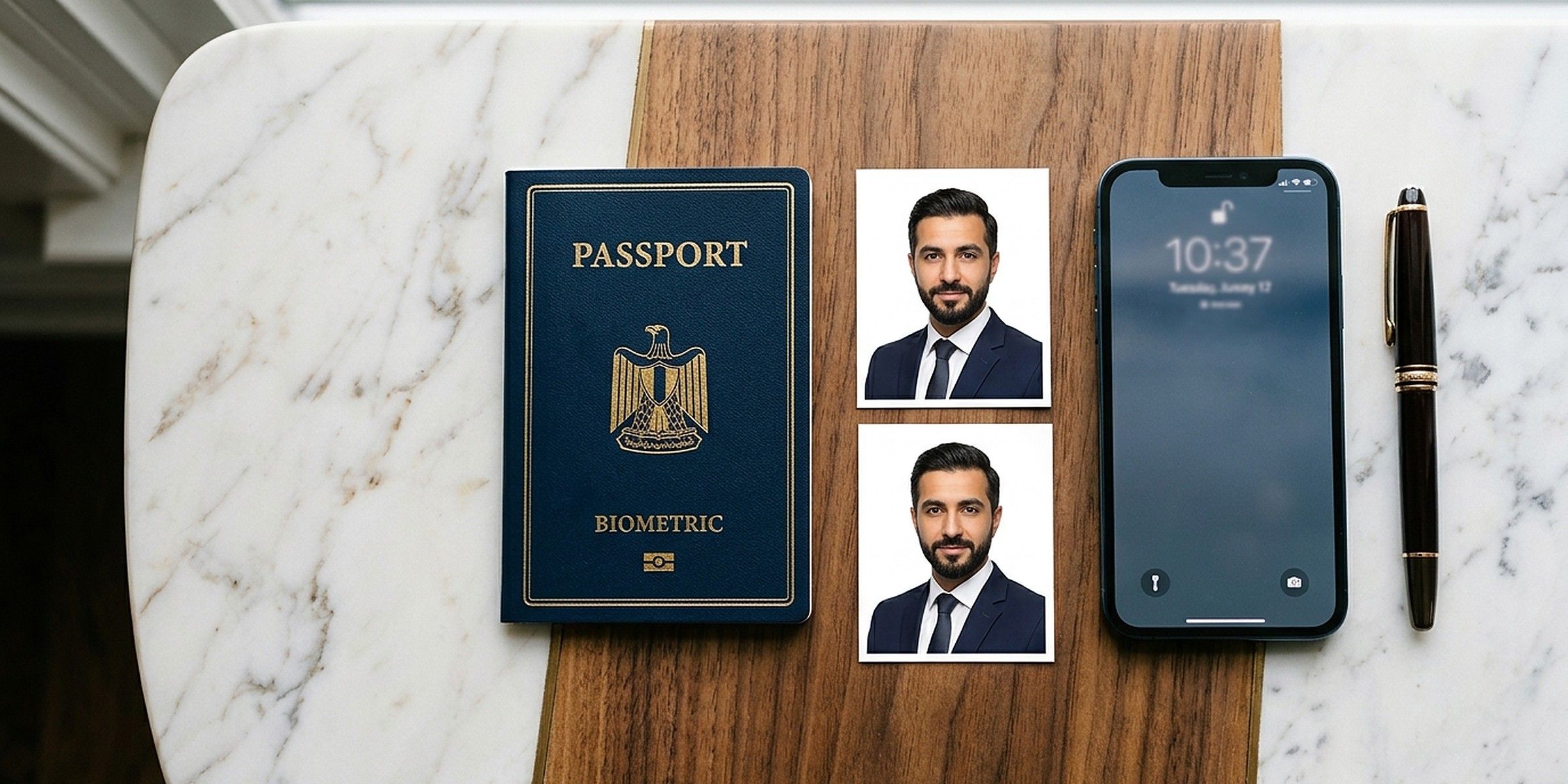
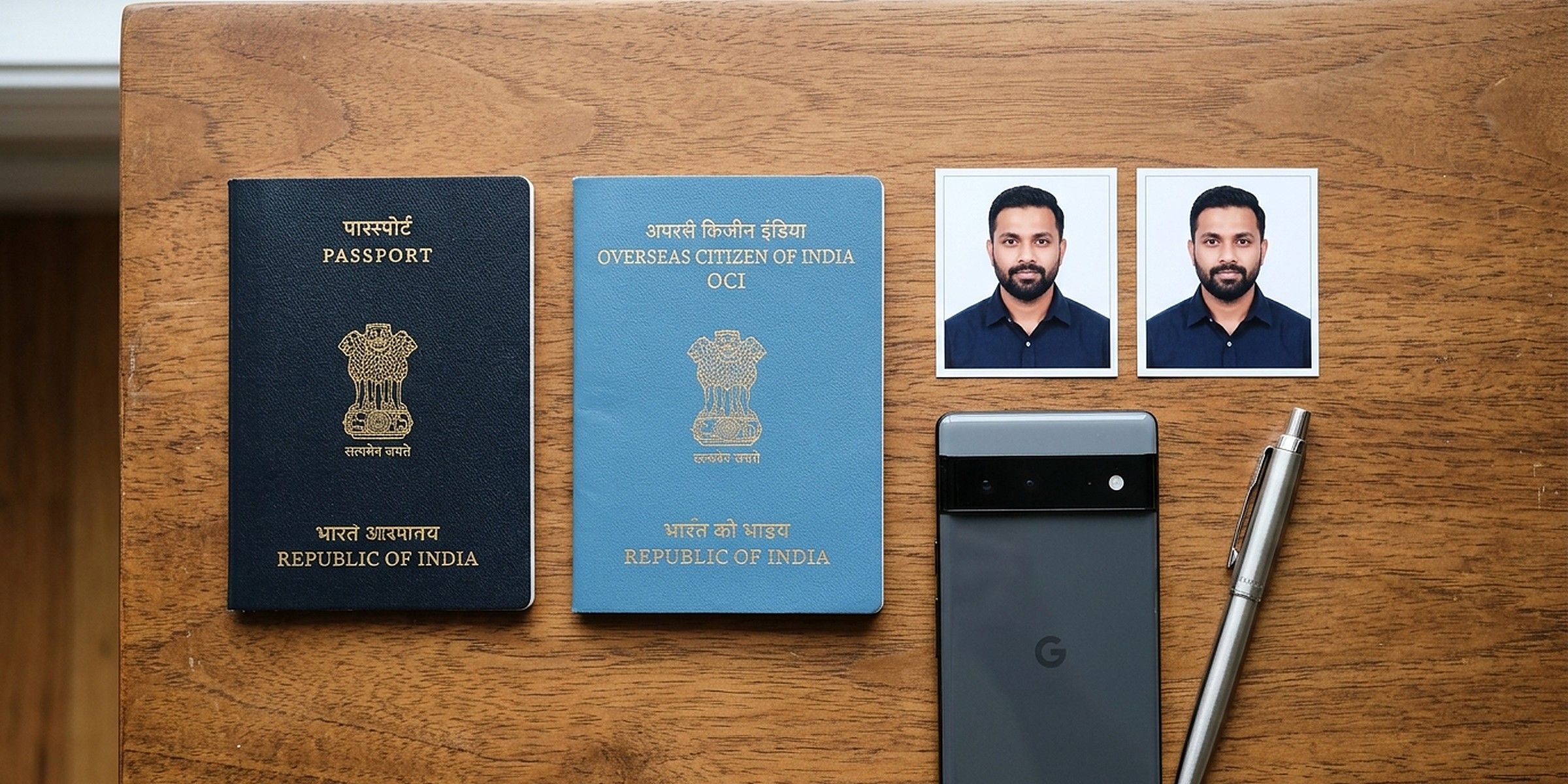
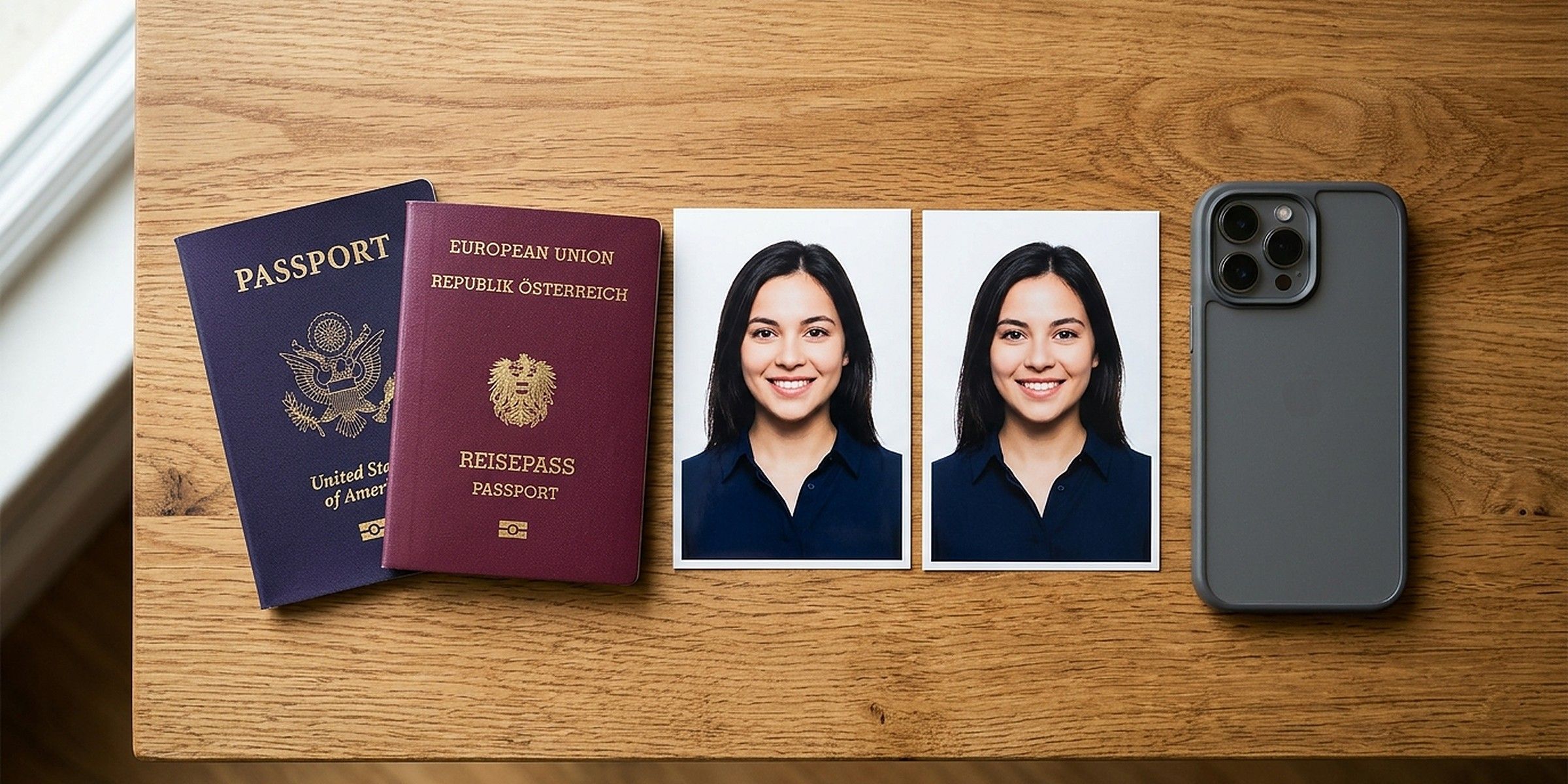
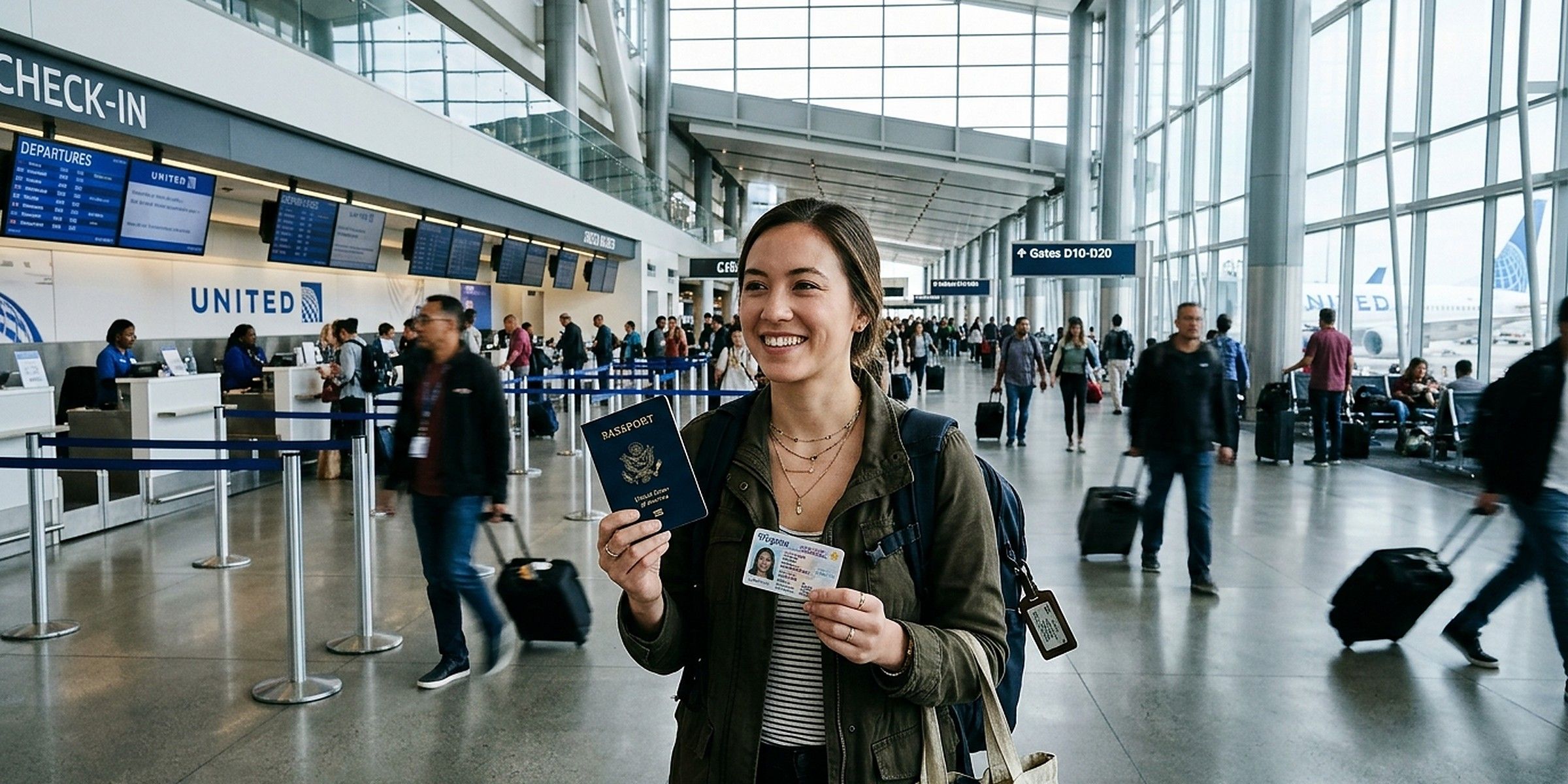
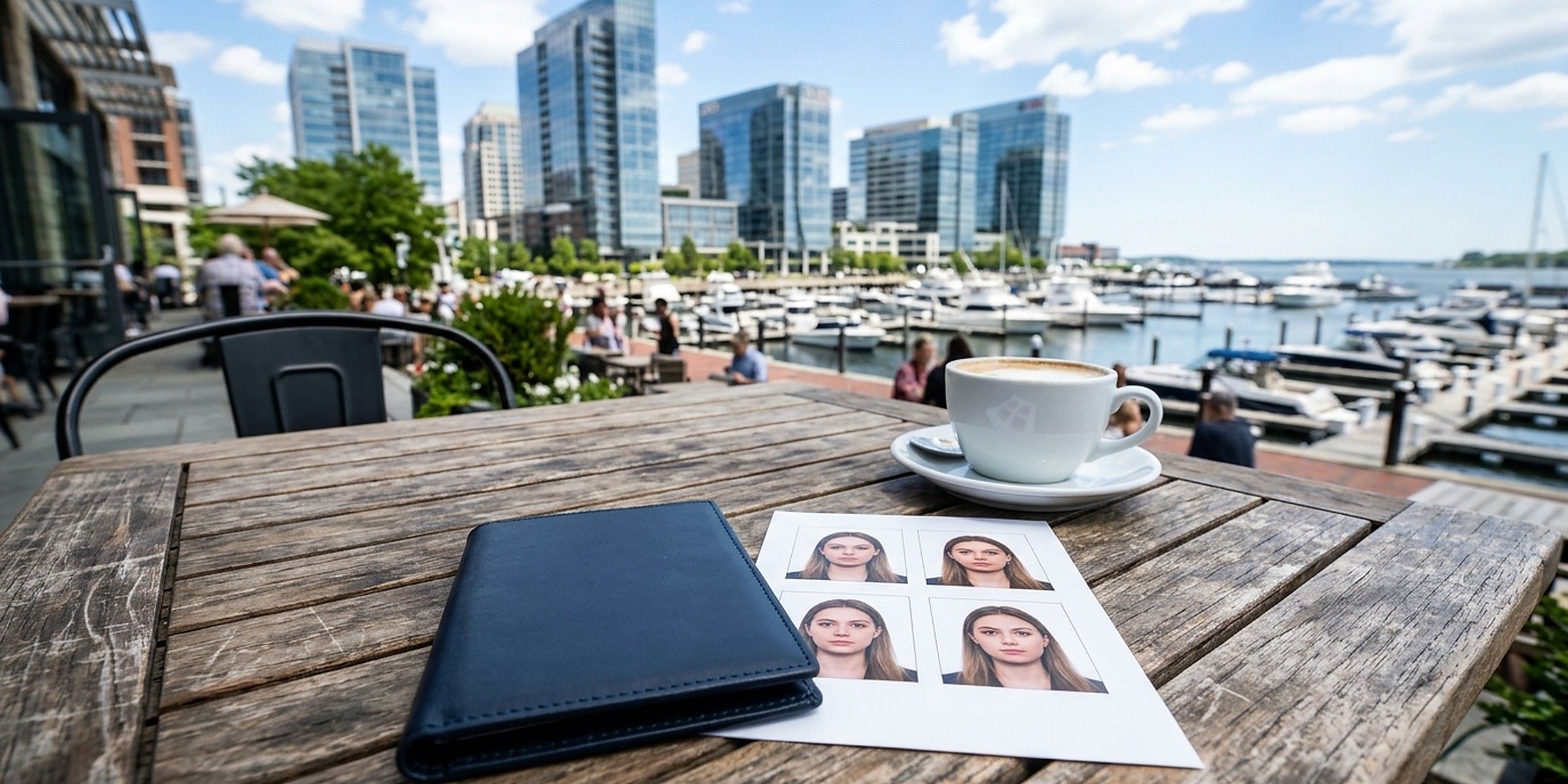
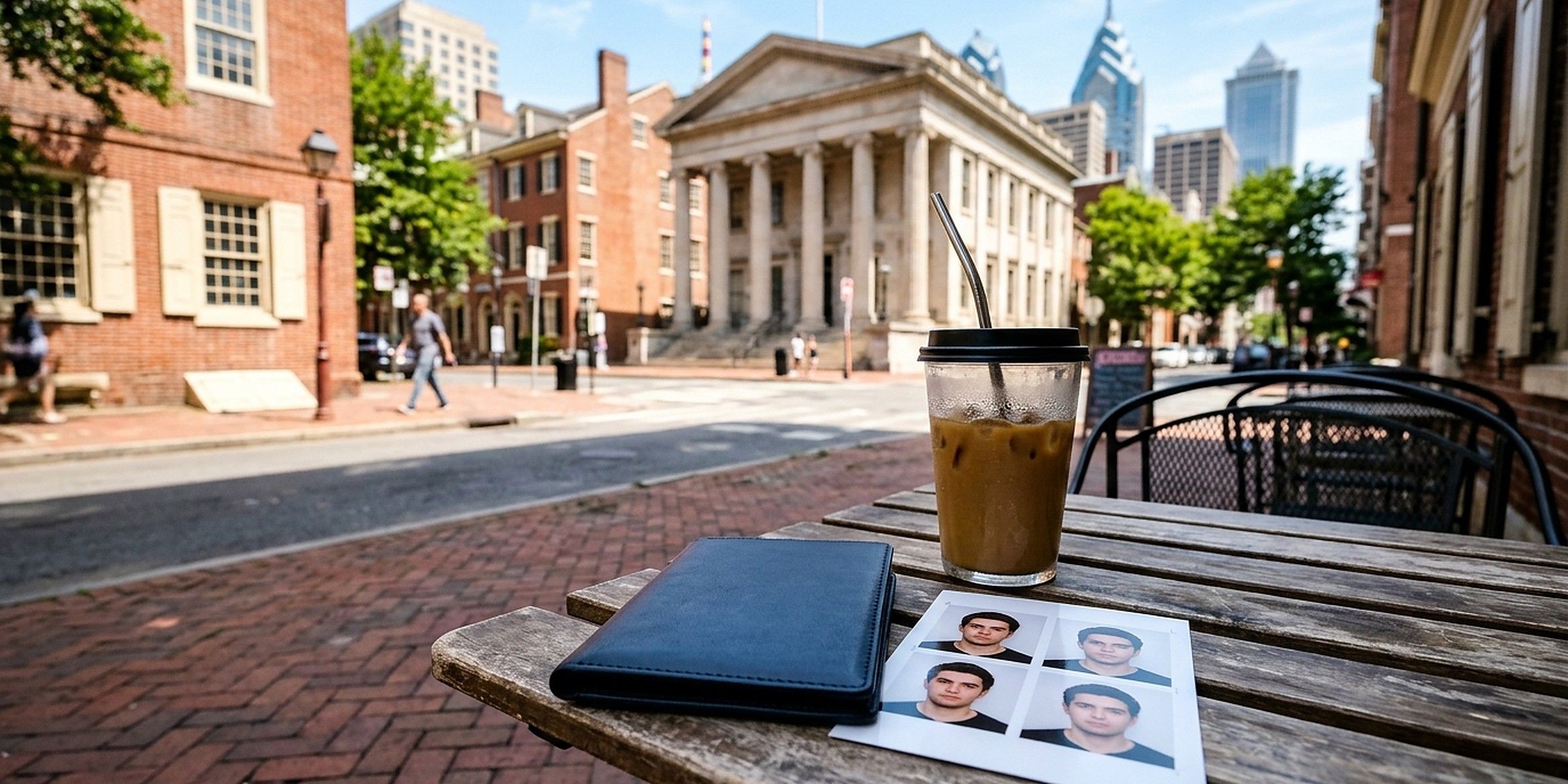
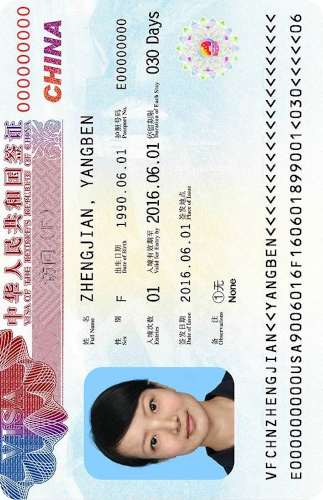
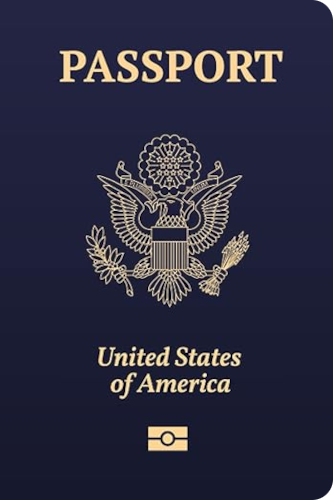
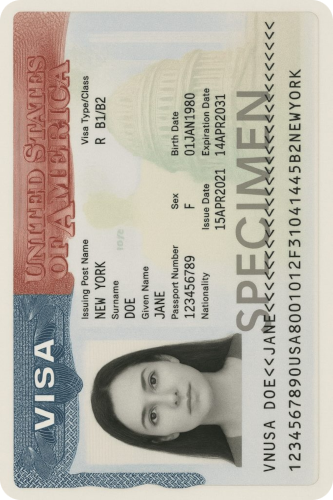
U.S. citizens traveling to Mainland China in 2026 have two primary entry pathways: China's expanded 240-Hour (10-Day) Visa-Free Transit (TWOV)—which is free upon arrival across 60 ports in 24 provinces when flying a Country A → Mainland China → Country/Region C itinerary—or the $140 10-Year Multiple-Entry L-Tourist Visa for round-trip flights and stays of 60–90 days. Applying for the 10-year visa on the official COVA portal (cova.mfa.gov.cn) requires a narrow rectangular 33×48 mm digital Chinese visa photo for COVA and printed Chinese visa photo (33x48 mm) (alongside a valid U.S. passport using a US passport photo) verified across 478 biometric points by Snap4ID with our 100% acceptance guarantee.
- 240-Hour (10-Day) Visa-Free Transit: Replaced the old 72/144-hour limits! U.S. citizens can now travel across 24 approved Chinese provinces for up to 10 full days without an advance visa when flying
Country A → Mainland China → Country/Region C. - Hong Kong, Macau & Taiwan Count as "Region C": Flying
US → Shanghai/Beijing → Hong Kong (or Tokyo/Seoul) → USis 100% legal for 240-hour visa-free transit, whereas a non-stopUS ↔ Chinaround-trip requires a visa. - Streamlined $140 10-Year L-Visa (No Bookings Needed): U.S. tourist applicants no longer need flight tickets, hotel reservations, or consular appointments—just your COVA form, passport, and
33×48 mmphoto. - Strict 33×48 mm (
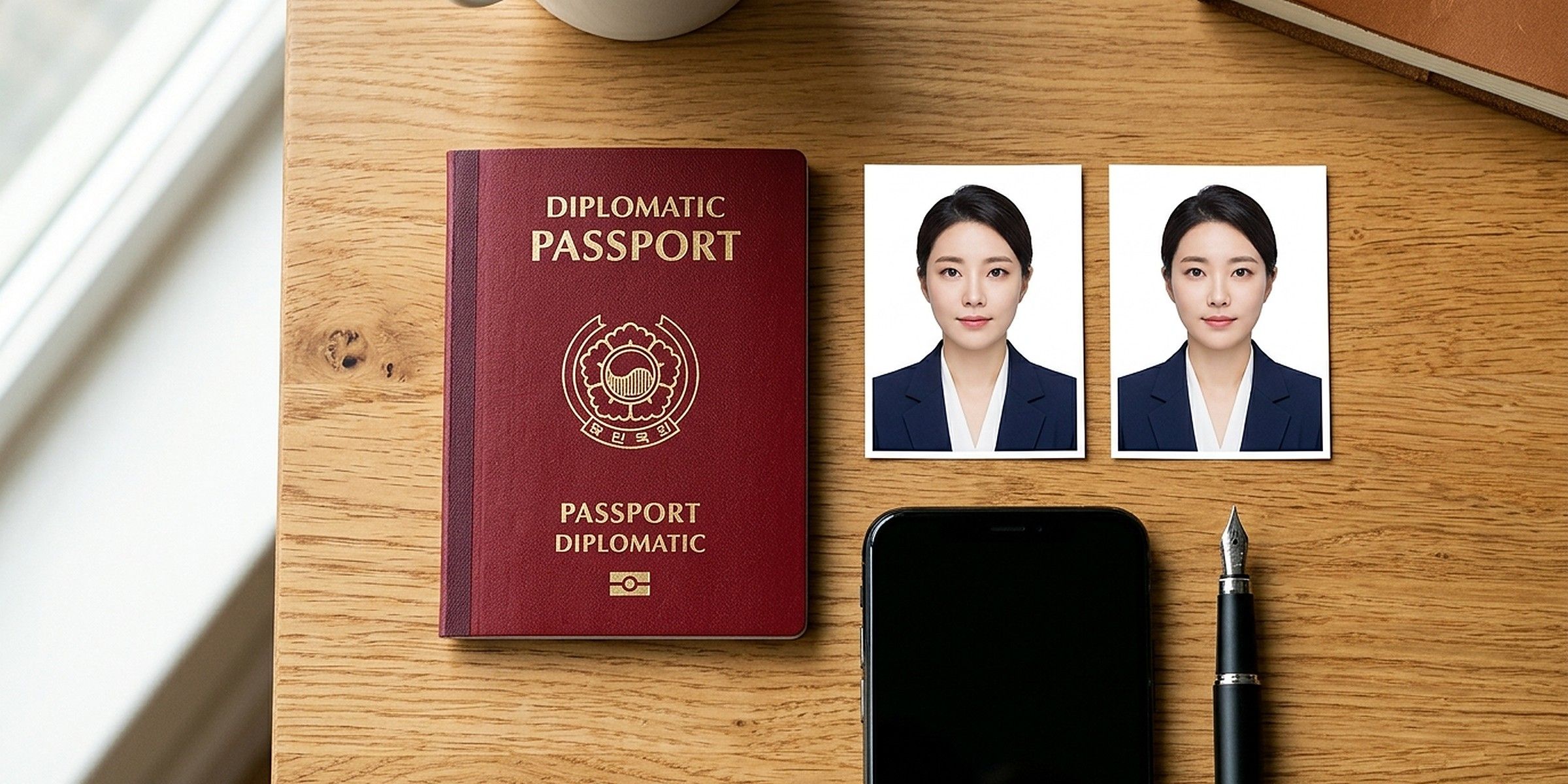
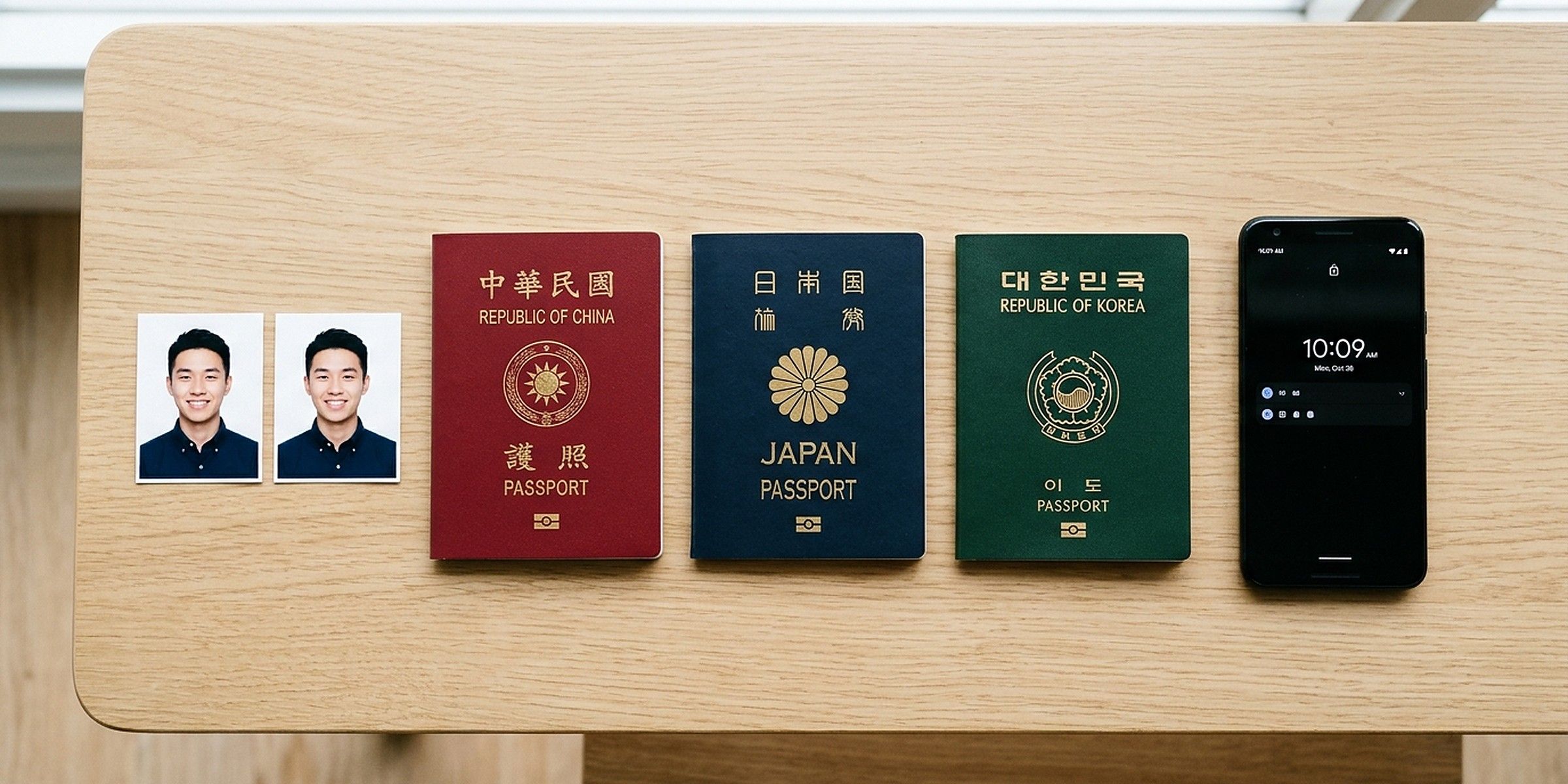
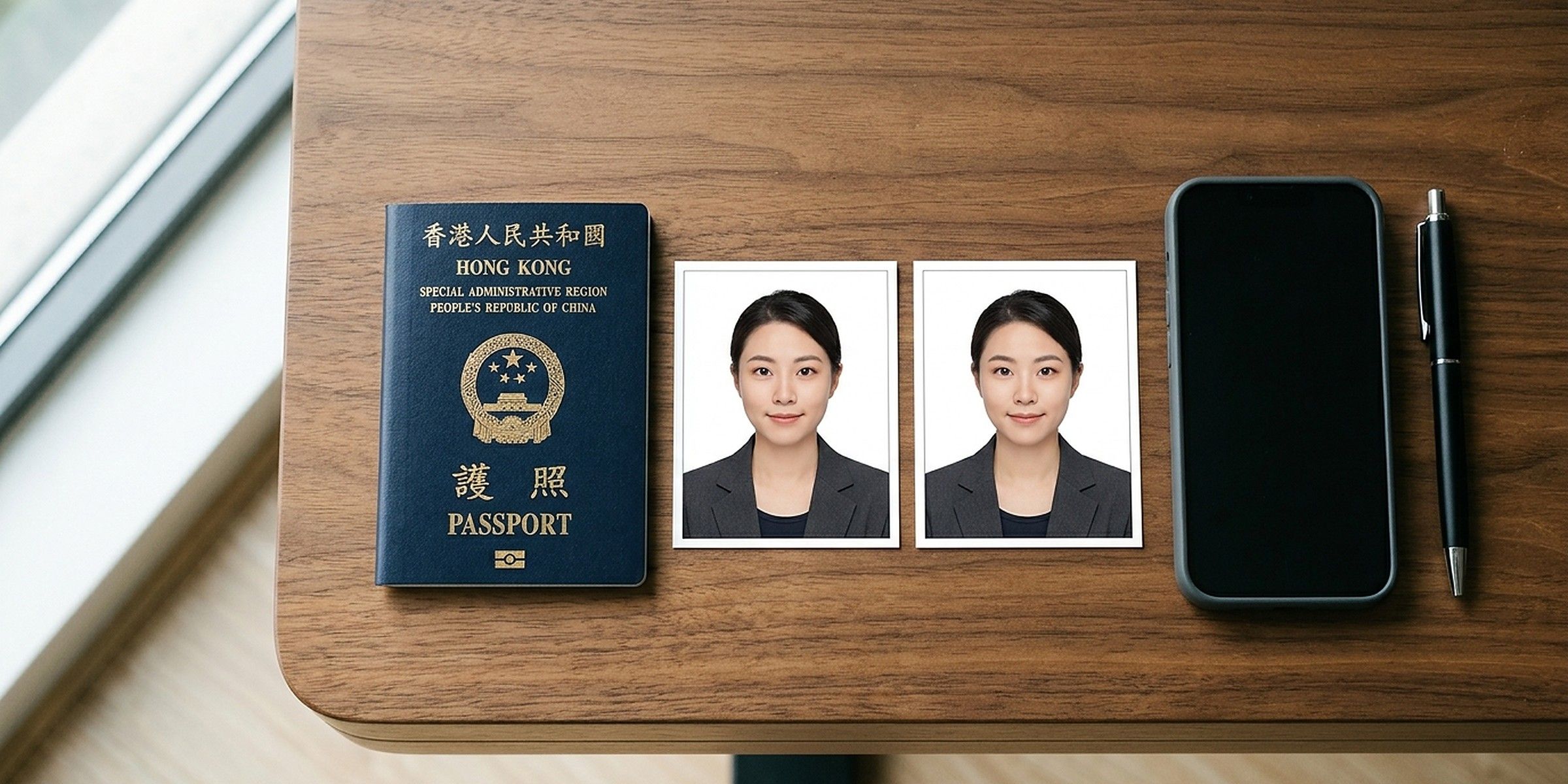
11:16) COVA Photo Standard: Standard square2×2 inchU.S. photos fail oncova.mfa.gov.cn; you need an exact33×48 mmportrait in dark clothing with both ears and eyebrows uncovered.
Whether you want to ride the bullet train from Beijing to Xi'an and Shanghai on a 10-day Asia vacation without paying a single dollar in visa fees, or secure a 10-year multiple-entry Chinese tourist visa in your U.S. passport book while consular paperwork rules are at their easiest in a decade, understanding the exact border routing rules and 33×48 mm biometric photo standards will save you from an expensive airline boarding denial.
1. 2026 Comparison: China's 240-Hour (10-Day) Visa-Free Transit vs. 10-Year L-Tourist Visa
The choice between China's free 240-hour (10-day) Visa-Free Transit (TWOV) and the $140 10-Year L-Tourist Visa depends entirely on your flight routing and length of stay: TWOV requires departing Mainland China directly to a third country or region within 10 days, while the 10-year L-Visa allows unlimited round-trip flights and 60-to-90-day stays.
| Parameter | 240-Hour (10-Day) Visa-Free Transit (TWOV) | 10-Year Multiple-Entry L-Tourist Visa (COVA) |
|---|---|---|
| Government Fee (U.S. Citizens) | $0 (Free temporary entry permit stamped on arrival) | $140 USD regular processing at Chinese Embassy/Consulate in the US |
| Maximum Stay per Entry | Up to 240 hours (10 full days) starting at 00:00 the day after arrival | 60 to 90 days per entry (unlimited entries over 10 years while passport is valid) |
| Mandatory Flight Routing Rule | Strict Country/Region A → Mainland China → Country/Region C rule (e.g., SFO → Shanghai → Tokyo or JFK → Beijing → Hong Kong) | Any routing allowed, including direct non-stop round-trips (LAX → Shanghai → LAX) |
| Permitted Travel Area in China | 60 designated ports across 24 provinces, with cross-provincial travel allowed between all approved zones | All of Mainland China (except restricted zones like Tibet requiring a special permit) |
| Advance Paperwork & Photo Needed? | No advance visa or photo; requires U.S. passport (≥ 3 months validity) + confirmed onward ticket with seat to Region C | Complete online COVA form (cova.mfa.gov.cn) + digital & printed 33×48 mm photo + walk-in passport submission |
The Golden Routing Rule: Country A → Mainland China → Country/Region C (With Real Examples)
Under the policy enforced by the China National Immigration Administration (NIA) — 240-Hour Visa-Free Transit Policy, airline check-in agents and Chinese border officers evaluate only two flights on your itinerary: the immediate flight (or ferry/train) bringing you into Mainland China and the immediate flight (or ferry/train) taking you out of Mainland China.
The #1 Hidden Layover Trap That Gets Americans Denied Boarding: Never confuse your overall trip origin with your immediate flight leg!
- VALID 240-Hour Routing:
San Francisco (US) → Shanghai Pudong (PVG), spend 9 days traveling by high-speed train to Hangzhou and Beijing, then flyBeijing (PEK) → Seoul Incheon (South Korea) → San Francisco (US). Because you entered China from the US (Country A) and exited China to South Korea (Country C), this is 100% compliant! - DISQUALIFIED Layover Routing:
Chicago → Seoul (ICN) → Shanghai (PVG), spend 5 days in Shanghai, then flyShanghai (PVG) → Seoul (ICN) → Chicago. Because your immediate flight into Shanghai departed from South Korea and your immediate flight out of Shanghai returns to South Korea, immigration views this asKorea → China → Korea(a round-trip!) and the airline will deny boarding unless you hold a Chinese Visa.
Why Hong Kong, Macau, and Taiwan Count as Valid "Third Regions" for 240-Hour Transit
Because Hong Kong SAR, Macau SAR, and Taiwan maintain separate customs and immigration jurisdictions from Mainland China, China's NIA officially classifies all three as valid external "Third Regions" for the 240-hour Visa-Free Transit program. That means a U.S. traveler can book a round-trip ticket from the United States to Asia by flying New York (JFK) → Beijing (PEK), traveling across Mainland China for up to 10 days, taking a flight or the West Kowloon high-speed train to Hong Kong (or flying to Taipei), and then flying home from Hong Kong or Taipei to the United States!
Cross-Provincial Freedom: Riding High-Speed Trains Between Beijing, Xi'an, Shanghai & Guangdong
Under the legacy 72-hour and 144-hour rules, transit travelers were locked inside a single city or regional cluster (meaning you could not fly into Beijing and take the train to Shanghai). Under the 240-hour (10-day) policy, cross-provincial travel is now permitted across all 24 participating provinces, municipalities, and autonomous regions through 60 open air, sea, and rail ports—And remember that the 240-hour clock does not even start ticking until 00:00 (midnight) on the day after you land!
2. How to Get a 10-Year China Tourist Visa (L-Visa) in 2026: $140 Fee & No Flight Bookings Needed
If you prefer flying non-stop round-trip between the United States and Mainland China—or want the freedom to stay 60 to 90 days per visit over a 10-year period—applying for China's 10-Year Multiple-Entry L-Tourist Visa ($140 USD) is dramatically easier in 2026 thanks to permanent consular paperwork simplifications.
Where to Submit Your Passport in the US (Washington DC, New York, Chicago, San Francisco, Los Angeles)
According to the Embassy of the People's Republic of China in the USA — Official Visa Guidelines, U.S. citizens applying for an L-Tourist visa benefit from two huge rule reductions:
- No Flight Tickets, Hotel Bookings, or Invitation Letters Required: Tourist (
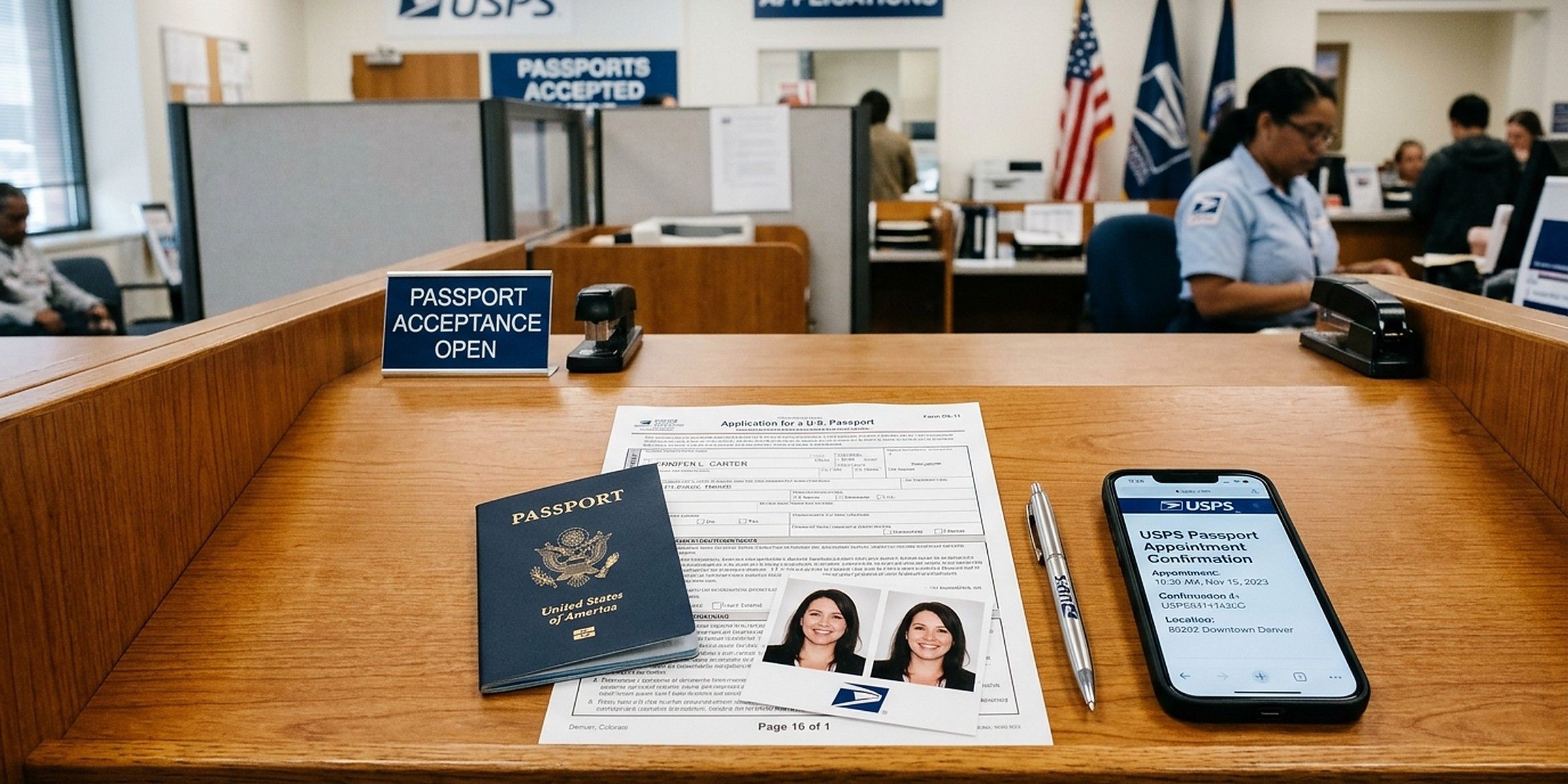
L-visa) applicants in the United States are exempt from submitting round-trip airfare confirmations, hotel reservations, or a formal letter of invitation. - No Online Consular Appointment Required (Walk-In Submission): Once you complete and print your online form on the Official China Online Visa Application (COVA) Portal (cova.mfa.gov.cn), you (or a family member, friend, or courier agency—since single-entry/multiple-entry L-visa applicants are currently exempt from in-person fingerprint collection under the consular facilitation extension) can walk into the Chinese Embassy or Consulate covering your state's consular jurisdiction (Washington D.C., New York, Chicago, San Francisco, or Los Angeles) during business hours to drop off your passport.
Why You Should Renew an Expiring US Passport Before Applying for a 10-Year China Visa
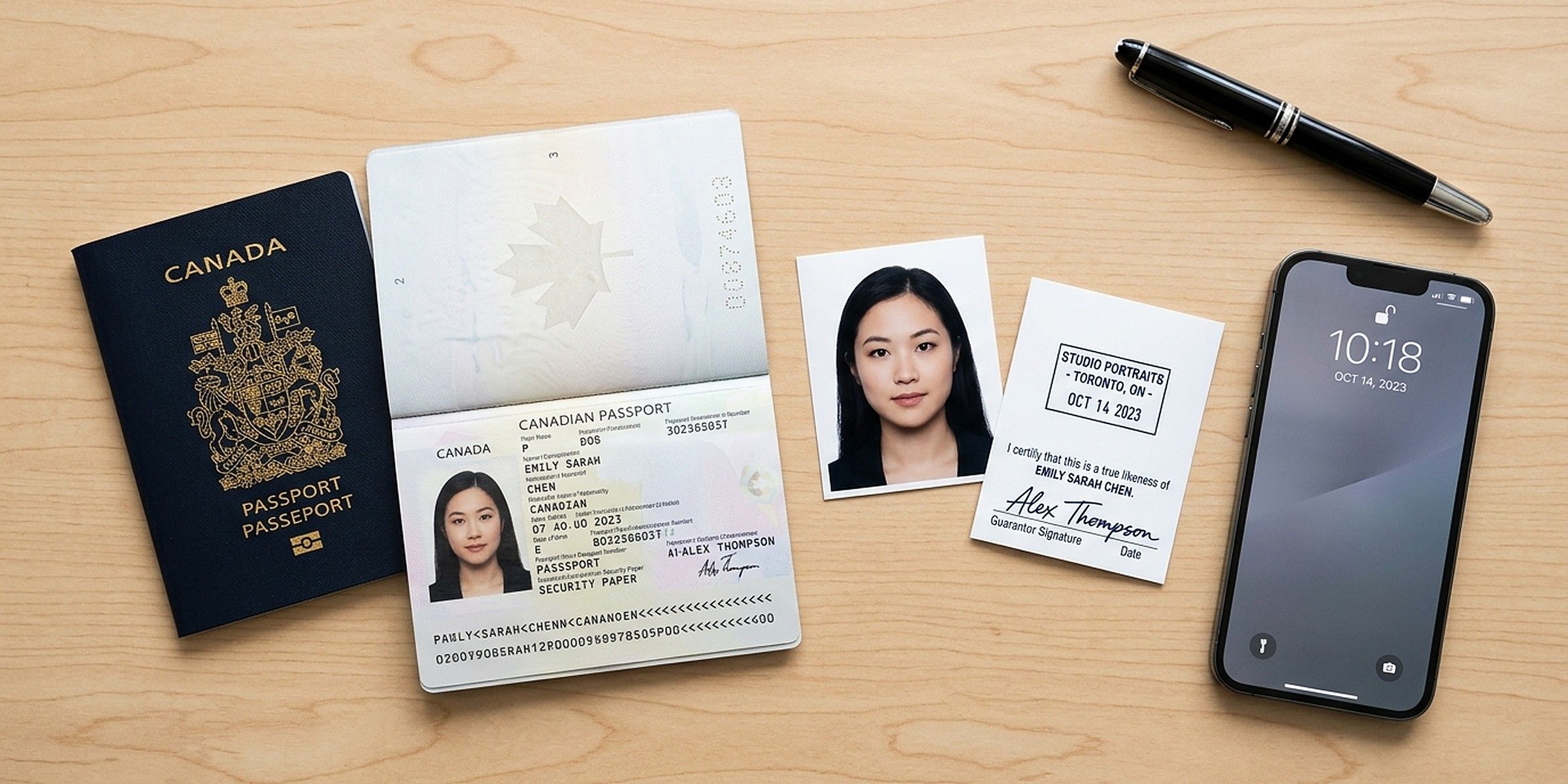
To apply for a 10-year Chinese visa, your U.S. Passport Book must have at least 12 months of remaining validity and at least 2 completely blank visa pages (endorsement pages at the back do not count). Note that if your U.S. passport expires while your 10-year Chinese visa is still valid, China allows you to enter by carrying both your old cancelled passport (containing the valid un-damaged Chinese visa sticker) and your new U.S. passport, provided your full name, gender, date of birth, and nationality are identical in both books!
3. Official COVA 33×48 mm Photo Requirements (cova.mfa.gov.cn Digital & Print Rules)
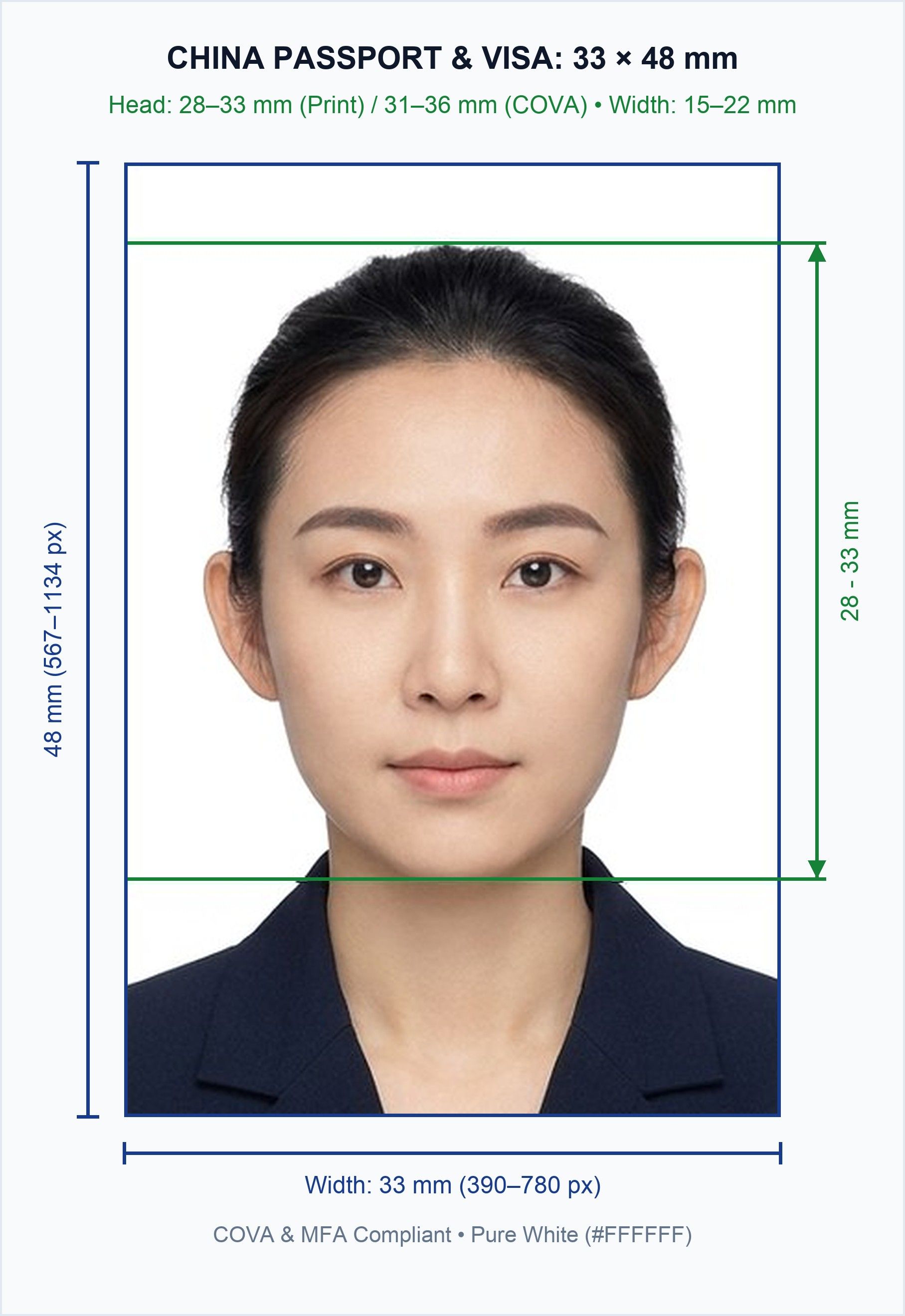
The #1 obstacle when filling out the online form at cova.mfa.gov.cn is the automated biometric photo validator, which enforces China's strict 33 × 48 mm (1.30 × 1.89 inches, 11:16 aspect ratio) portrait specification (354×472 px to 420×560 px or 390×567 px to 780×1134 px, 40 KB–120 KB JPEG).
Why Standard US 2×2 Inch Square Photos Automatically Fail the COVA Portal Check
If you upload a standard U.S. 2×2 inch (51×51 mm, 1:1 square) passport photo to cova.mfa.gov.cn, the portal's aspect-ratio cropper will either reject the file outright or force you to crop so tightly that the top of your hair or shoulders are cut off—triggering a head-width or margin error. As detailed in our Chinese passport and COVA visa 33x48 mm photo specification guide (and supported across our Chinese passport photo, Hong Kong passport photo, and Taiwanese passport photo tools), China requires a narrow vertical 11:16 frame (33×48 mm) where your head width measures strictly between 15 mm and 22 mm and your head height measures 28 mm to 33 mm (31–36 mm digital).
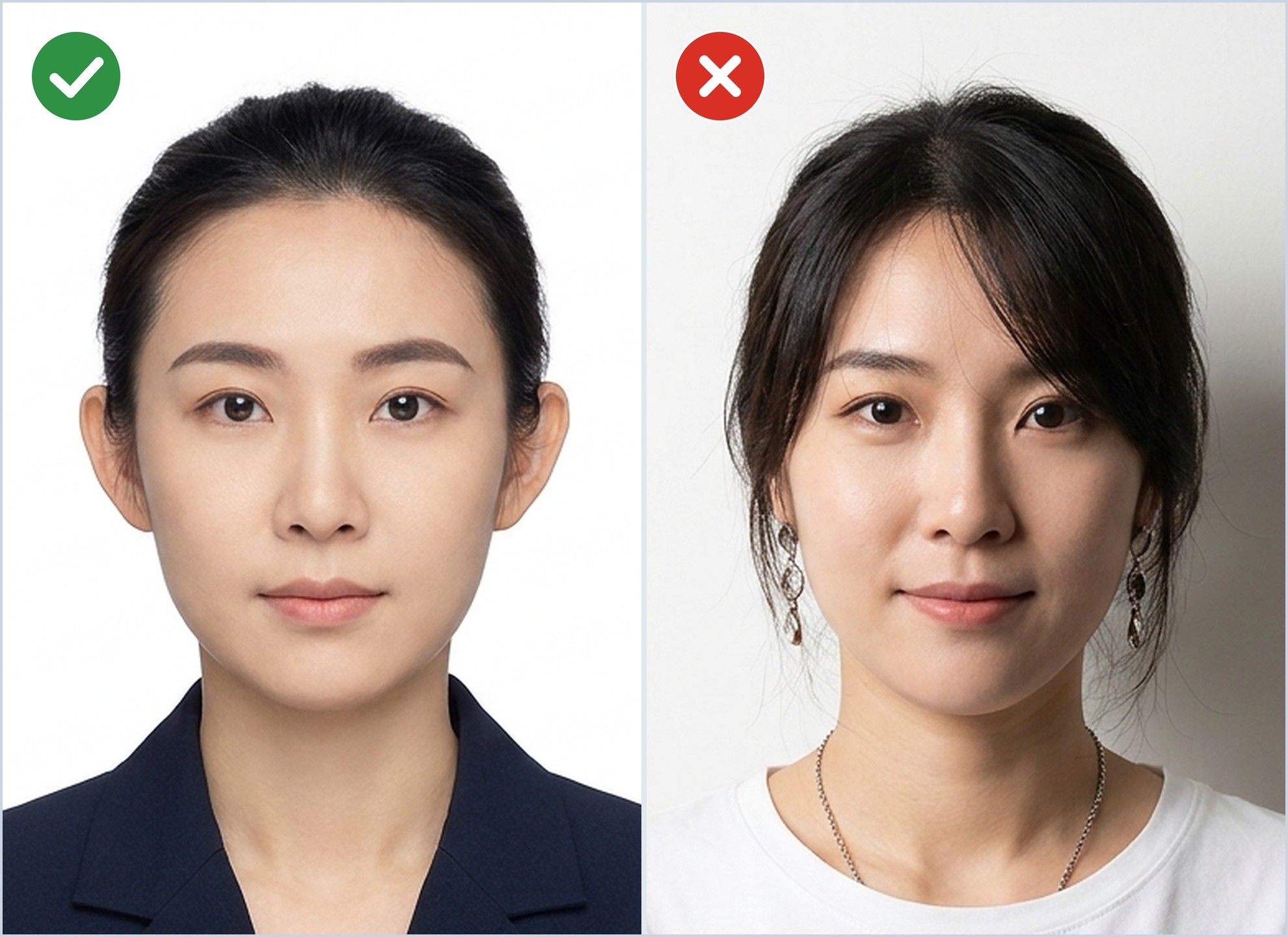
Strict Appearance Rules: Uncovered Ears, Zero Jewelry, & Dark Collar Against #FFFFFF White
Even if your pixel dimensions are exact, the COVA AI scanner and consular window clerks enforce four strict visual rules that differ from U.S. passport standards:
✔ DO: COVA 33×48 mm Photo Requirements
- Wear a dark navy, black, or colored shirt/blazer: High contrast between your shoulders and the pure white (
#FFFFFF) background is mandatory on COVA. - Tuck hair behind BOTH ears and above eyebrows: Both left and right ears and your full eyebrow line must be 100% visible in the portrait.
- Remove all necklaces, earrings, and facial jewelry: Metallic reflections near the ears or neck trigger COVA's automated artifact detector.
- Use exact 33×48 mm (11:16) proportions: Keep head width between
15–22 mmand head height between28–33 mm(31–36 mmdigital).
✘ DON'T: Common China Visa & Transit Mistakes
- Don't wear a white or light-cream shirt: White clothing merges into the
#FFFFFFbackground and causes an instant COVA upload error. - Don't let bangs or hair cover your eyebrows or ears: Covered ears or shadowed backgrounds are the top reasons consular clerks demand a new photo.
- Don't upload a square 2×2 inch US photo to COVA: Always use a dedicated
33×48 mm(11:16) Chinese visa template. - Don't book a round-trip flight for 240-hour TWOV: Remember that visa-free transit strictly requires flying
Country A → China → Country/Region C.
4. How to Create a COVA-Verified 33×48 mm Photo & 4×6 Print Sheet with Snap4ID
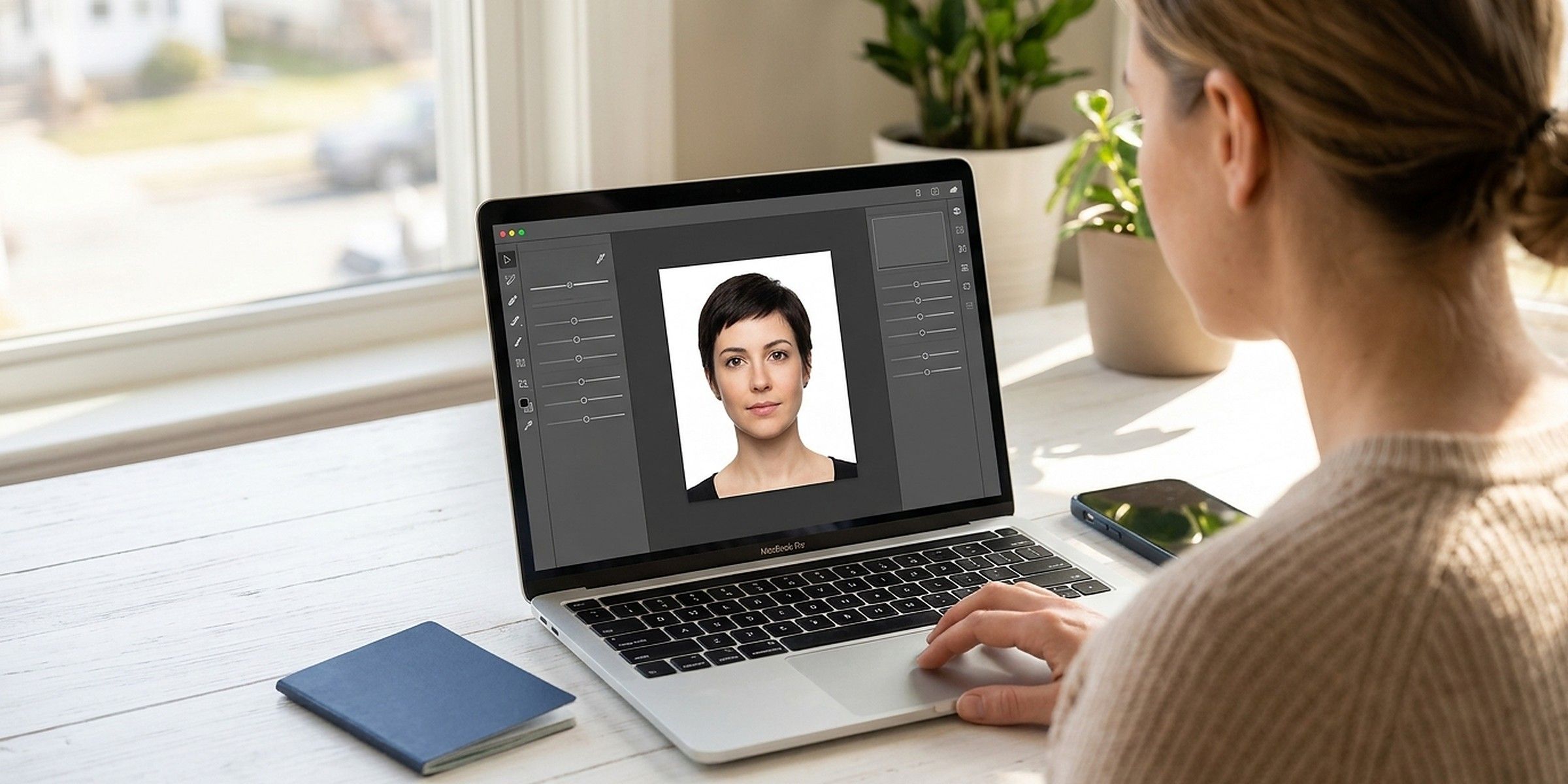
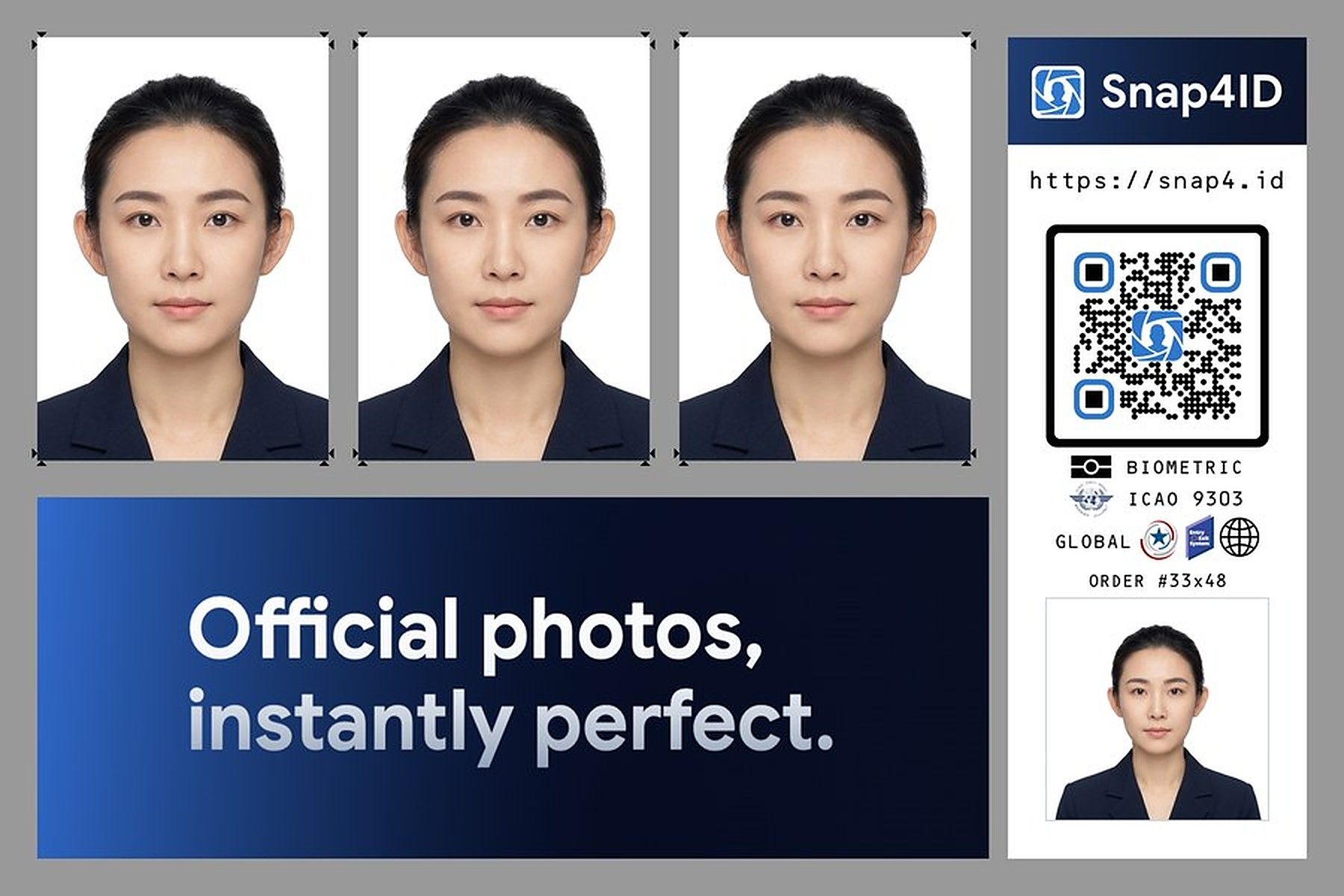
Because U.S. pharmacies like Walgreens and CVS default to square 2×2 inch U.S. templates—and cannot cut metric 33×48 mm (1.30×1.89 inch) prints—Snap4ID's digital Chinese visa photo for COVA and Chinese visa photo (33x48 mm) tools verify 478 biometric points and format both your digital COVA file and a 4×6 inch print sheet automatically.
Uploading Your Digital File to COVA & Printing Physical 33×48 mm Photos on a 4×6 Sheet
When you take a photo in a dark shirt using Snap4ID, our biometric engine removes your background to pure #FFFFFF white, scales your head height and width to exact Ministry of Foreign Affairs tolerances, and gives you:
- A COVA-Calibrated Digital JPEG: Sized to the exact
11:16aspect ratio (390×567 px/780×1134 px,40–120 KB) so thecova.mfa.gov.cnupload bar turns green on the first try. - A 4×6 Inch Print Sheet (
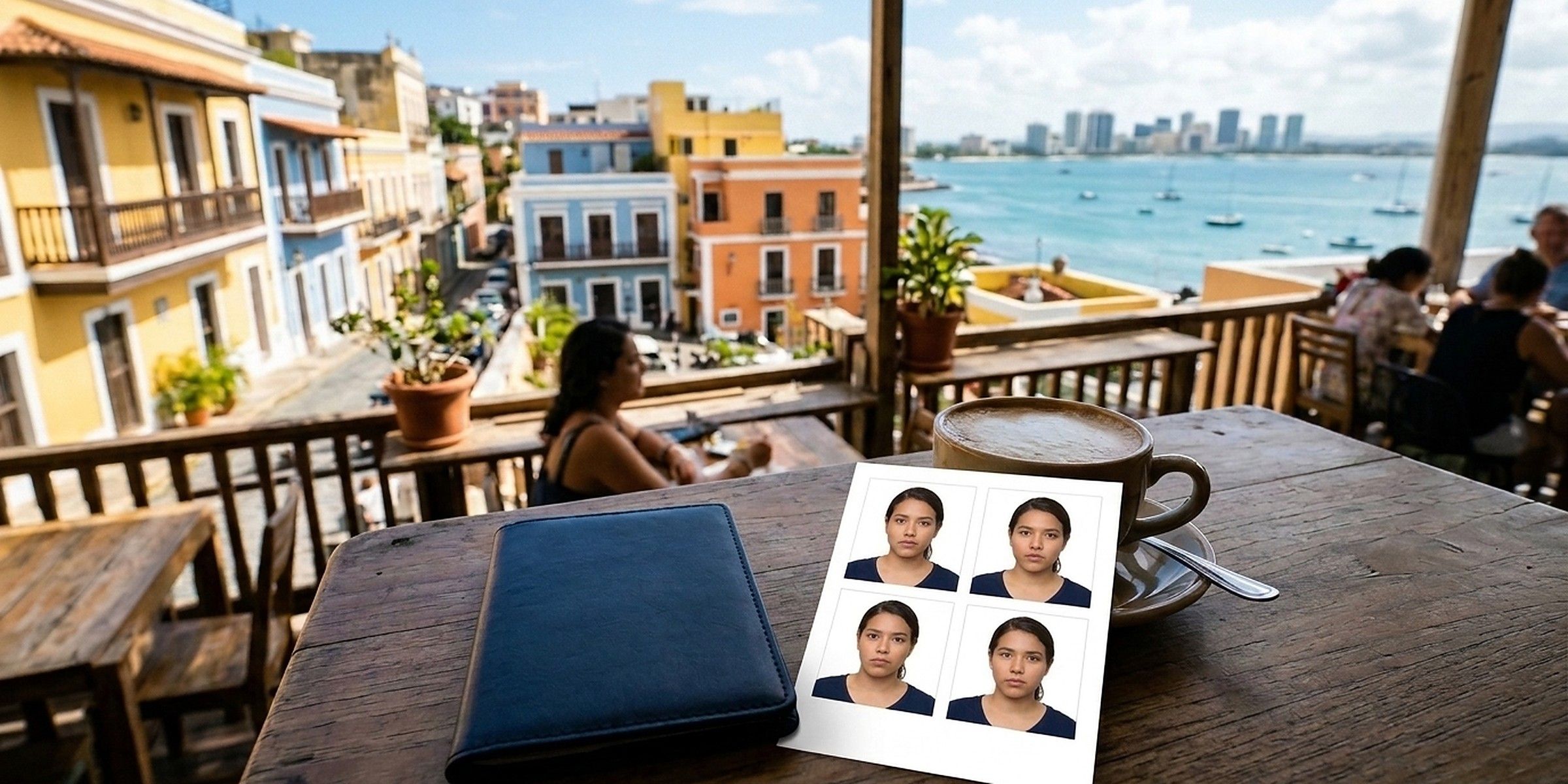
900×600 px,3:2ratio): Contains three exact33×48 mmportraits with precision millimeter cut guides that you can print at CVS or Walgreens for $0.39, just in case the consular window requests a physical print alongside your signed COVA form—all backed by our 100% acceptance guarantee.
5. Frequently Asked Questions (FAQ)
Can US citizens visit China without a visa for 10 days (240 hours) in 2026?
Yes, U.S. citizens can enter Mainland China visa-free for up to 240 hours (10 full days) under China's expanded Transit Without Visa (TWOV) policy across 60 designated ports in 24 provinces, provided they hold a confirmed onward ticket to a third country or region (Country A to Mainland China to Country/Region C).
Does flying US to Mainland China to Hong Kong qualify for the 240-hour visa-free transit?
Yes, China's National Immigration Administration treats Hong Kong SAR, Macau SAR, and Taiwan as separate external border regions for transit purposes. Flying non-stop from Los Angeles or New York into Shanghai or Beijing and departing within 240 hours to Hong Kong, Macau, or Taipei is 100% eligible for visa-free transit.
Do US citizens still need flight and hotel bookings to apply for a 10-year Chinese L-Tourist visa?
No, U.S. citizens applying for an L-Tourist visa at a Chinese Embassy or Consulate in the United States no longer need to provide round-trip flight reservations, hotel bookings, a detailed itinerary, or an invitation letter, and walk-in consular passport drop-off no longer requires an advance appointment after completing COVA.
What size photo do I need for the China COVA online visa application (cova.mfa.gov.cn)?
The China Online Visa Application (COVA) portal requires a narrow rectangular 33×48 mm (1.30×1.89 inch, 11:16 aspect ratio) color portrait on a pure white (#FFFFFF) background with a 28–33 mm physical head height (31–36 mm digital), 15–22 mm head width, and digital JPEG dimensions between 354×472 px and 420×560 px (or 390×567 to 780×1134 px).
Why did the COVA portal reject my photo for background or clothing contrast?
The COVA automated biometric validator rejects photos if you wear a white or light-colored top that blends into the mandatory pure white (#FFFFFF) background, if your hair covers your eyebrows or ears, or if you wear necklaces or earrings. Always wear a dark navy or colored shirt with both ears visible.
Pass the cova.mfa.gov.cn photo check on the first try! Snap4ID verifies 478 biometric points, formats exact 33×48 mm (11:16) digital files + a $0.39 4×6" print sheet, and backs every photo with our 100% acceptance guarantee. Create Your 33×48 mm China Visa Photo Now →